EvolutionMay 14, 2020
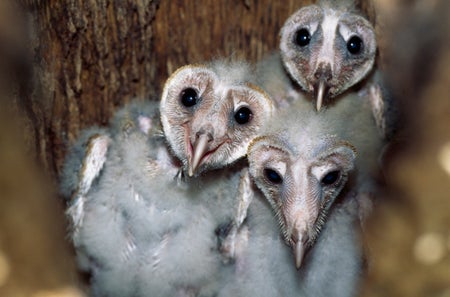
Barn Owl Babies Can Be Helpful Hatch Mates
Food sharing is mainly found in adult animals as a part of social bonding. But in a rarely observed behavior in birds, older barn owl chicks will share food with younger ones.
Jason G. Goldman is a science journalist based in Los Angeles. He has written about animal behavior, wildlife biology, conservation, and ecology for Scientific American, Los Angeles magazine, the Washington Post, the Guardian, the BBC, Conservation magazine, and elsewhere. He contributes to Scientific American's "60-Second Science" podcast, and is co-editor of Science Blogging: The Essential Guide (Yale University Press). He enjoys sharing his wildlife knowledge on television and on the radio, and often speaks to the public about wildlife and science communication.
Barn Owl Babies Can Be Helpful Hatch Mates
Food sharing is mainly found in adult animals as a part of social bonding. But in a rarely observed behavior in birds, older barn owl chicks will share food with younger ones.
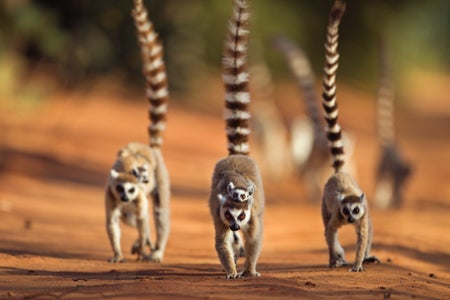
Lemur Flirting Uses Common Scents
To entice female ring-tailed lemurs, males rub wrist secretions, which include compounds we use in perfumes, onto their tail and then wave it near the gals.
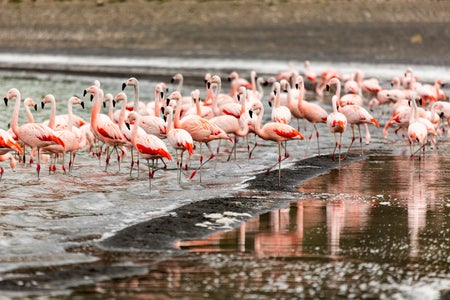
Flamingos Can Be Picky about Company
They don’t stand on one leg around just anybody but often prefer certain members of the flock.
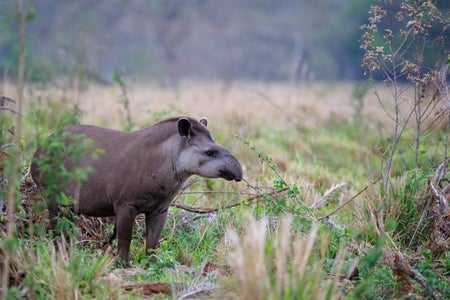
Tapirs Help Reforestation via Defecation
The large herbivores appear to prefer disturbed areas over more intact ones and spread many more seeds in those places through their droppings.
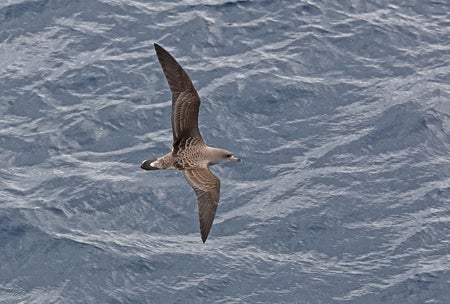
Shorebird Learns Long Migration Routes
Cory’s shearwaters forge their own paths over the sea

New Data on Killer House Cats
Wild cats kill more animals than domestic ones do. But pet cats kill many more of them in a small area than similarly sized wild predators.
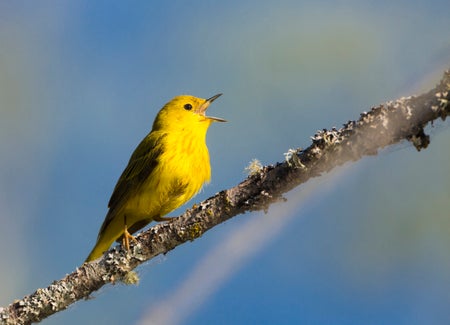
Red-Winged Blackbirds Understand Yellow Warbler Alarms
Researchers studying yellow warbler responses to the parasitic cowbird realized that red-winged blackbirds were eavesdropping on the calls and reacting to them, too.

What’s a Narwhal’s Tusk For?
Although the tusk can be a weapon, the variation in tusk length among animals of similar body size points to it being primarily a mating status signal.

Coyotes Eat Everything from Fruits to Cats
The diets of coyotes vary widely, depending on whether they live in rural, suburban or urban environments—but pretty much anything is fair game.
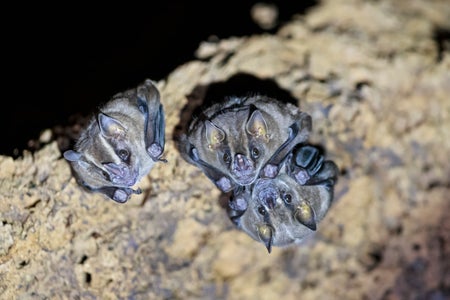
Sick Vampire Bats Restrict Grooming to Close Family
When vampire bats feel sick, they still engage in prosocial acts such as sharing food with nonrelatives. But they cut back on grooming anyone other than their closest kin.
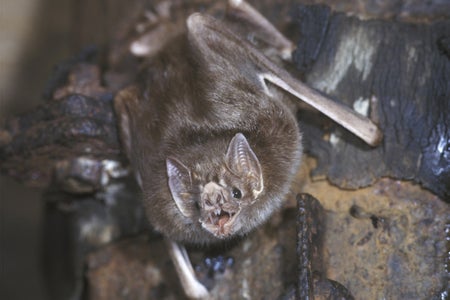
Blood Ties: Vampire Bats Build Trust to Become Food-Sharing Pals
New research examines how the animals begin close, blood-sharing partnerships
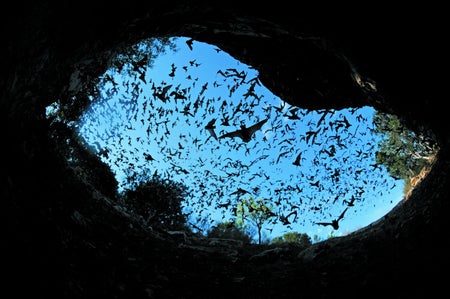
Burned Habitats Benefit Bats
Bats proliferate in forests thinned by fire
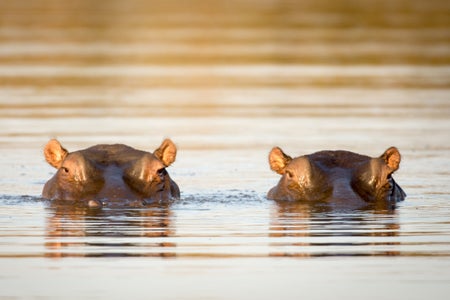
Pablo Escobar’s Hippos Could Endanger Colombian Ecology
Hippos that escaped from drug kingpin Pablo Escobar’s private zoo are reproducing in the wild. And with increasing numbers, they could threaten ecosystems.
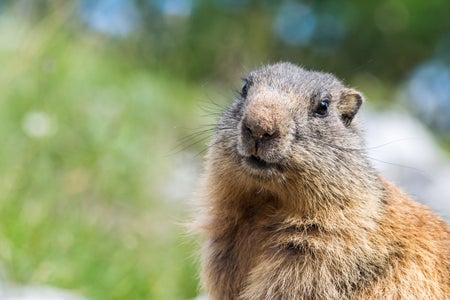
Facts about Groundhogs Other Than Their Poor Meteorology
Groundhogs are less accurate at weather forecasting than are coin flips, but they are nonetheless pretty interesting critters.

Indigenous Lands Ace Biodiversity Measurements
Across the board, indigenous-managed regions equal or surpass conventional conservation areas
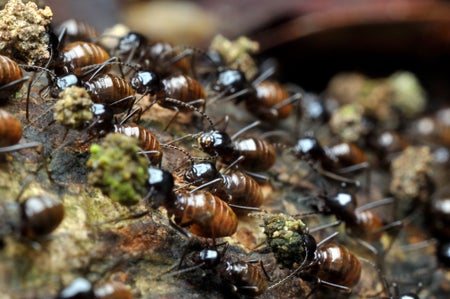
Loss of Large Mammals Stamps Out Invertebrates, Too
Hunted areas of Gabon have fewer large mammals and a thicker forest understory—but they also have fewer termites. Jason G. Goldman reports.
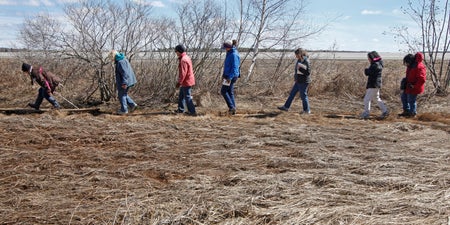
Citizen Scientists Deserve Journal Status Upgrade
Here’s an argument that citizen scientists deserve co-authorship on scientific journal papers to which they contributed research.
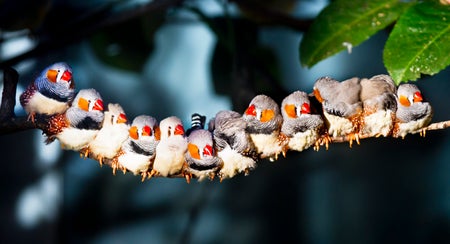
Implanting Memories in Birds Reveals How Learning Happens
Researchers activated specific brain cells in zebra finches to teach them songs they’d ordinarily have to hear to learn.
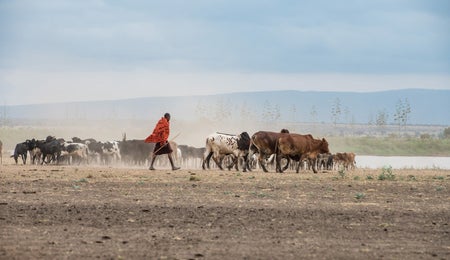
More Grazing Leads to Fewer Fires in the Serengeti
Beneficial blazes are critical to maintaining the Serengeti-Mara ecosystem, but animals are eating the fuel

The Nature Cure
Mind and body benefit from two hours in nature each week
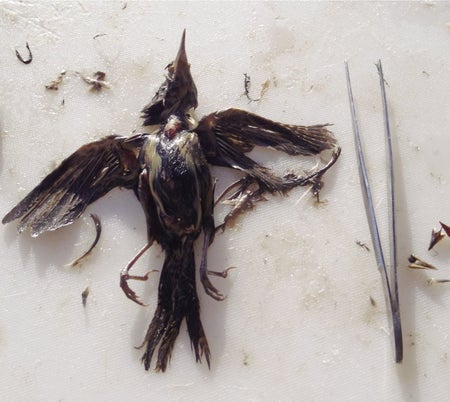
Migrating Birds Provide Surprising Snacks for Sharks
Meticulous work reveals the identity of sharks’ feathered prey
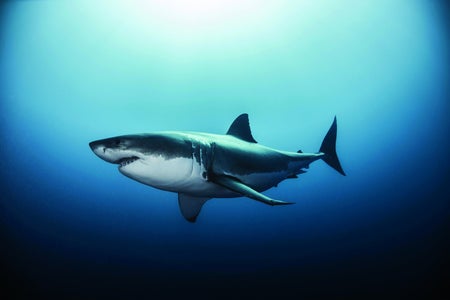
Orcas May Turn Great White Sharks into Scaredy-Cats
Sharks abandon popular feeding areas when orcas are nearby
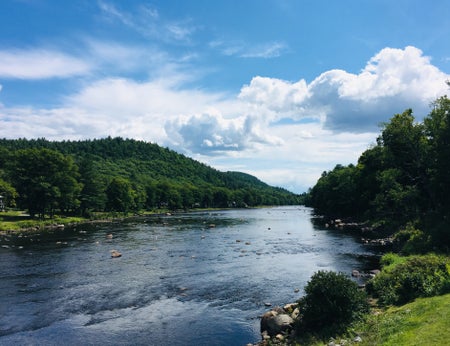
Mind and Body Benefit from Two Hours in Nature Each Week
People who spent at least two hours outside—either all at once or totaled over several shorter visits—were more likely to report good health and psychological well-being. Jason G. Goldman reports.
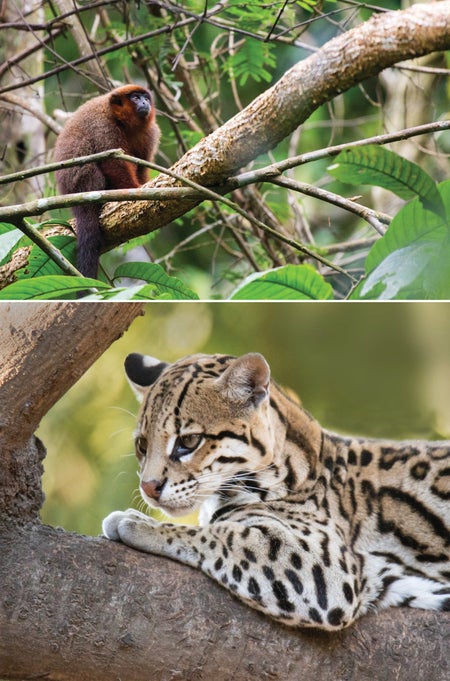
Monkeys Use Alarm Calls to Tell Predators to Scram
New research shows that primate calls deter predators in the wild