BooksMay 29, 2026
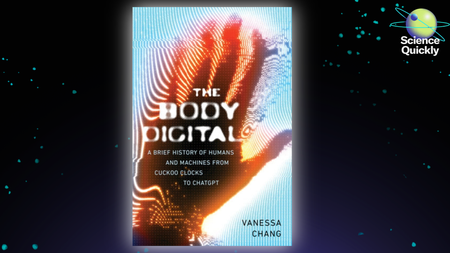
What our phones, playlists and AI companions reveal about being human
A new look at how everything from handwriting to AI quietly reshapes our bodies, habits and sense of connection
Rachel Feltman is former executive editor of Popular Science and forever host of the podcast The Weirdest Thing I Learned This Week. She previously founded the blog Speaking of Science for the Washington Post.
What our phones, playlists and AI companions reveal about being human
A new look at how everything from handwriting to AI quietly reshapes our bodies, habits and sense of connection
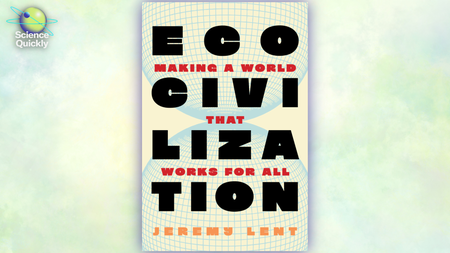
A new book debunks the myth of human selfishness—and makes the case for an ‘ecocivilization’
Author Jeremy Lent argues that human society runs on a flawed, exploitative worldview—and that embracing interconnectedness could enable a more sustainable future
This researcher made up a disease to test AI. It failed miserably
How an experiment involving a made-up skin condition exposes the risks of increasingly popular AI medical advice
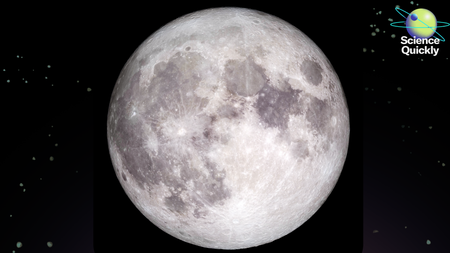
Putting a nuclear reactor on the moon: big promise, bigger challenges
Nuclear power could enable long-term lunar missions, but NASA’s timeline may be too ambitious
Hantavirus outbreak has new updates, PCOS is now PMOS, fish hides in another animal’s ‘butthole’
What you should know about hantavirus, why PCOS is getting a new name, and how some fish hide in an unusual spot
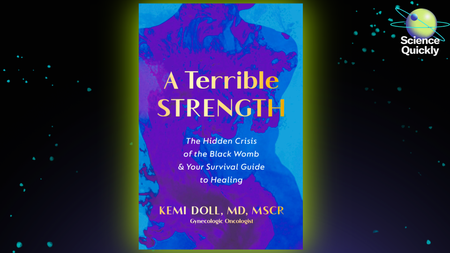
Black women’s ‘womb crisis’ extends far beyond maternal mortality
A new book argues that disparities in fibroids, cancer and diagnosis reveal a lifelong gynecologic health crisis for Black women
Why everyone is obsessed with protein—and whether you actually need more
Are we really falling short on protein—or is the high-protein craze overblown?
Hantavirus outbreak occurs at sea, microplastics may contribute to warming, and Alaska landslide sparks tsunami
A deadly hantavirus outbreak occurs on a cruise ship, scientists warn that microplastics may be contributing to climate warming, and a retreating-glacier‑triggered landslide unleashed a massive Alaska tsunami
‘Wolverine’ stack, ‘peptide parties,’ ‘biohacking’: Is the peptide craze backed by science?
As peptide “stacking” takes over social media feeds, we separate the science from the hype of the Internet’s latest wellness obsession
What happens when you let AI agents run an entire start-up
Journalist Evan Ratliff explores what happens when AI agents are given real autonomy to build and run a start‑up from scratch
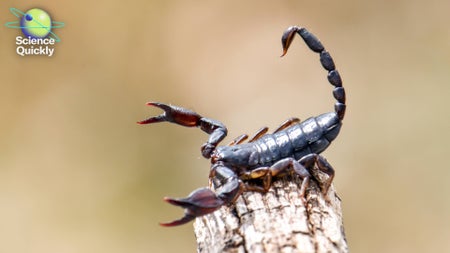
Scorpion stingers with metals, preeclampsia hope, more cuts to U.S. wind energy
A look at what makes scorpions so deadly, why there’s hope for preeclampsia and how President Trump is gutting wind energy
Inside the ibogaine rush: How psychedelic therapy is going mainstream
Tracing how psychedelics have undergone a revival in the U.S. and what the White House’s new psychedelic push means for research
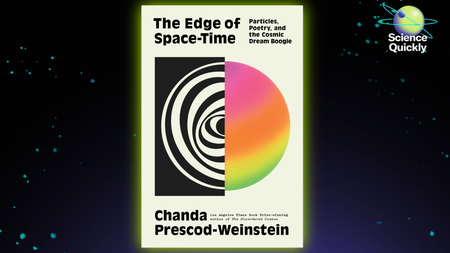
How Star Trek, Missy Elliott and queer theory help explain the deepest questions in physics
A physicist explores how poetry, pop culture and imagination help us understand spacetime and our place in the universe
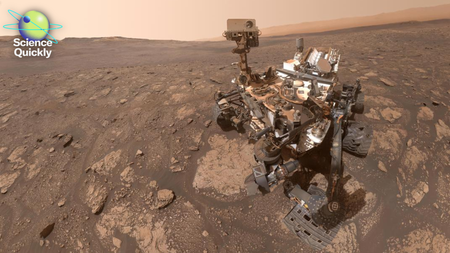
Organic molecules on Mars, good news about suicide hotline, the AI voice clone advantage
What NASA’s Curiosity Rover found on Mars, how youth suicides dropped after the launch of the 988 crisis line, and what people think of AI voice clones
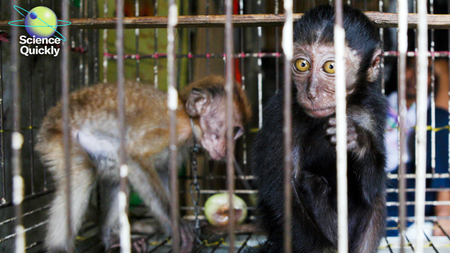
The global wildlife trade may be spreading diseases faster than ever
New research shows the global wildlife trade is rapidly accelerating the spread of animal pathogens that can jump to humans
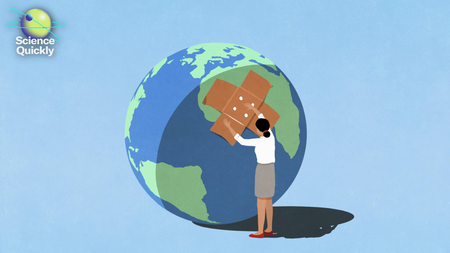
Amid climate doom, here’s an Earth Day reminder about spectacular environmental wins
This Earth Day three environmental experts share stories about times when environmental action succeeded in saving the planet—and explain why this can be done again
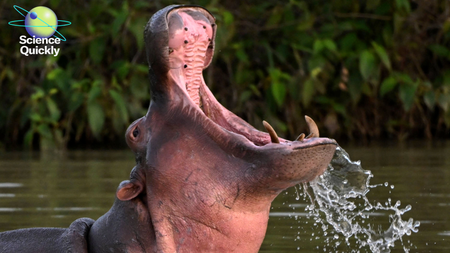
‘Cocaine hippos,’ faster aging with HIV and the hidden dangers of inflammation
“Cocaine hippos,” underground bees, and fresh insights into aging and heart health
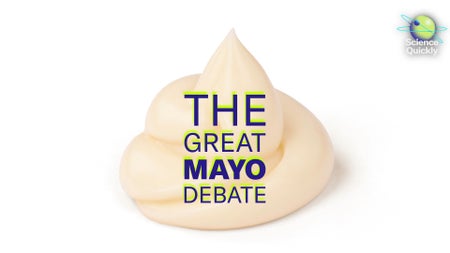
What Food Texture Teaches Us about Perception, Culture and Language
Kendra Pierre-Louis steps in as interim host and dives into the science behind why some foods—especially mayonnaise—can gross us out.
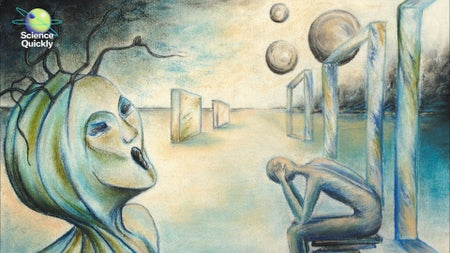
Why Headaches Remain One of Medicine’s Most Misunderstood Disorders
Migraine and cluster headaches affect millions—yet research remains surprisingly thin.
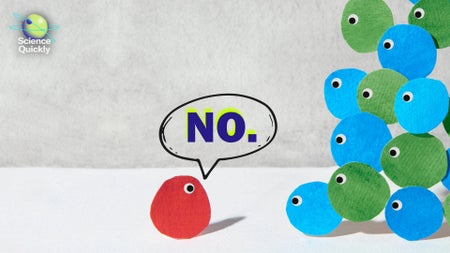
Why We Struggle to Say No—And How to Get Better at It
Why saying no is harder than it should be.
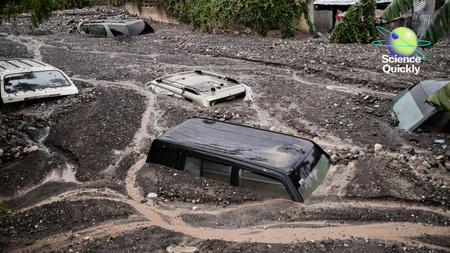
Hurricane Melissa Was One of the Strongest Atlantic Storms Ever. Here’s Why
Hurricane Melissa’s rare intensity and lasting impact reveal how storms are evolving in a warming world.
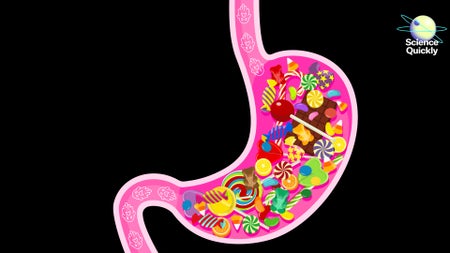
Gut Reactions to Your Favorite Halloween Candy
This Halloween discover how your candy choices can trick—or treat—the microbes in your gut.
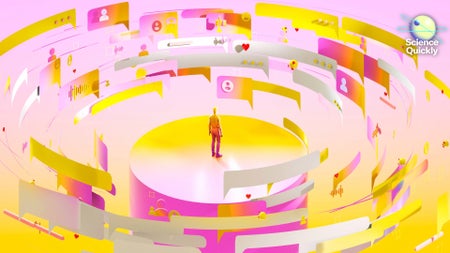
Will American Ownership Change What TikTok Shows You?
TikTok’s U.S. spin-off could reshape its algorithm and the way culture is curated online.
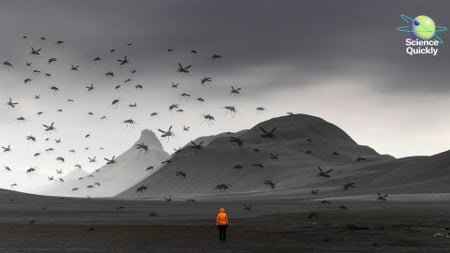
Mosquitoes Invade Iceland, Earth Darkens, and Bird Flu Returns
Bird flu surges and a government shutdown collide, complicating efforts to track cases and protect flocks.