
EnvironmentApril 1, 2018
New England Is Sitting on a Bed of Hot Rocks
The U.S. Northeast may be more geologically active than thought
Shannon Hall is an award-winning freelance science journalist based in the Rocky Mountains. She specializes in writing about astronomy, geology and the environment.
New England Is Sitting on a Bed of Hot Rocks
The U.S. Northeast may be more geologically active than thought
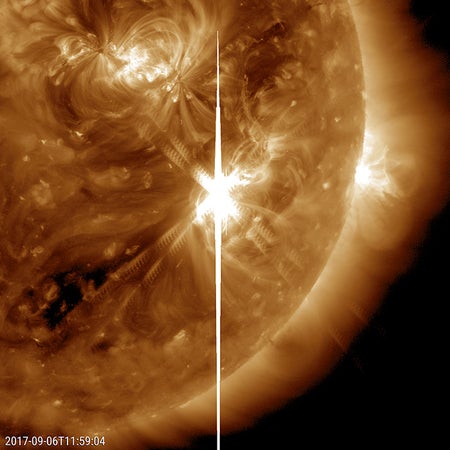
The Sun Is Spitting Out Strange Patterns of Gamma Rays—and No One Knows Why
The discovery, although mysterious, might provide a new window into the depths of our most familiar star
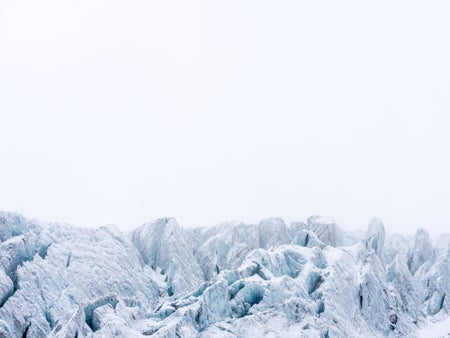
Like Ancient Snowball Earth, Frozen Planets May Still Be Habitable
A new model suggests ice-locked worlds might contain oases of temperate land that could support life
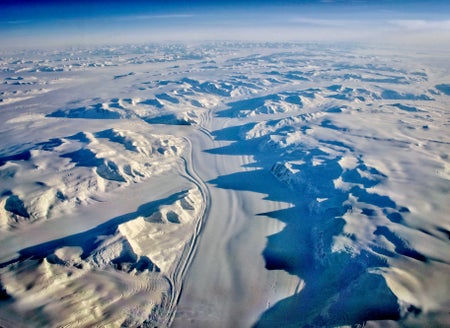
Could More Snow in Antarctica Slow Sea Level Rise?
New claims that increased snowfall in eastern regions could offset melting in the western side of the continent might not stand the test of time
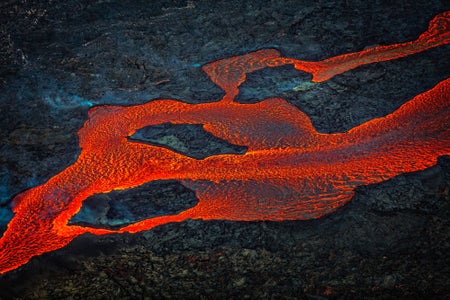
The Day the Earth Stood Still
Continents and volcanoes nearly came to a halt billions of years ago, creating a huge planetary pressure cooker
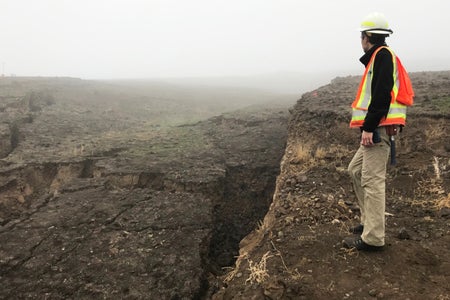
Looming Landslide Stokes Fears, May Help Disaster Predictions
Rattlesnake Ridge is collapsing in Washington State. As residents hurry to safety, scientists try to figure out which way rocks will fall
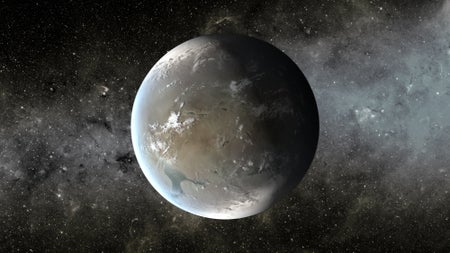
The Labs That Forge Distant Planets Here on Earth
High-pressure experiments explore what it might take to make exoplanets habitable

Drones Peer inside a Volcano
The unmanned aircraft offer an intimate look at a crater’s fiery inner workings
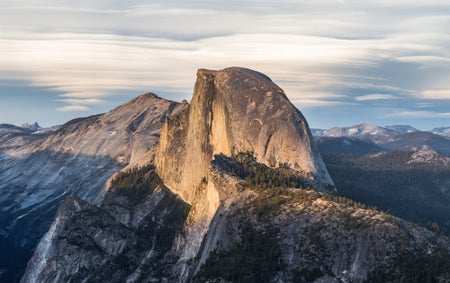
Scientists Closing in on the Dawn of Plate Tectonics
The massive slabs of Earth’s crust might have started their journey more than 3.5 billion years ago

Bizarro Life-Forms Inhabiting Deep-Sea Vents May Be at Risk
New findings add a layer of complexity to how highly specialized animals colonized these unique environments
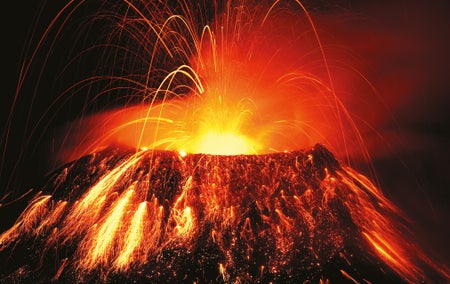
Volcanoes May Have Triggered the Last Unexplained Mass Extinction
Volcanic eruptions have now been tied to all five major mass extinctions
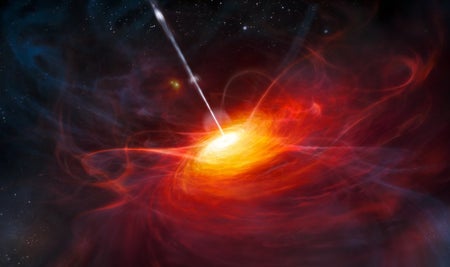
Clues Emerge in Mystery of Flickering Quasars
Some of the universe's most luminous objects have disappeared much faster than expected

Earth’s Tectonic Activity May Be Crucial for Life—And Rare in Our Galaxy
A new study finds plate tectonics may be hard to sustain on exoplanets
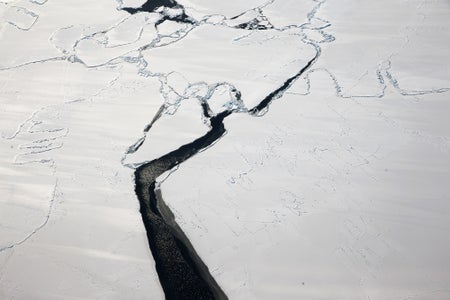
What to Believe in Antarctica’s Great Ice Debate
Although not all the studies agree, most climate scientists argue that, yes, Antarctica is losing mass in a warming world
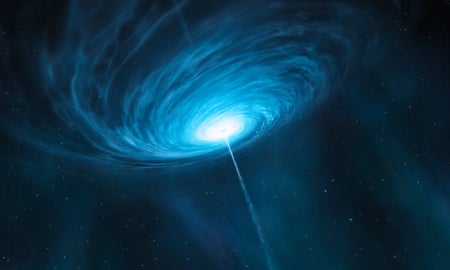
Ravenous Supermassive Black Holes May Sterilize Nearby Planets
A new study sheds light on how damaging black holes can be to the habitability of planets throughout the Milky Way and the universe
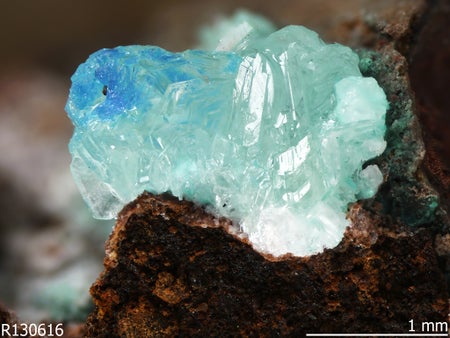
Found: Thousands of Man-Made Minerals—Another Argument for the Anthropocene
Future geologists will find thousands of human-made minerals in the ruins of our civilization
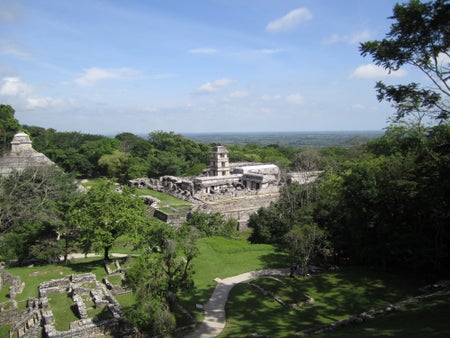
Volcanic Eruption May Have Plunged the Maya into a “Dark Age”
A new study of ancient ash links an El Chichón eruption to a time of inexplicable cultural upheaval in Maya history
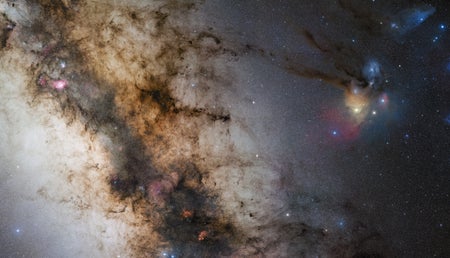
Celestial Cartography Is in the Midst of a Dramatic Upgrade
A new map of the Milky Way will improve understanding of stellar physics—and ultimately of our galaxy’s entire history

Numbers Cruncher: Why Trump’s Win Blindsided the Big Polls
Changing technology and fickle humans are pushing art into the science of aggregating surveys

Upcoming Galaxy Map Could Radically Transform How We See the Milky Way
The Gaia spacecraft’s new chart may drastically improve our understanding of the physics of stars, and ultimately of our galaxy’s entire history
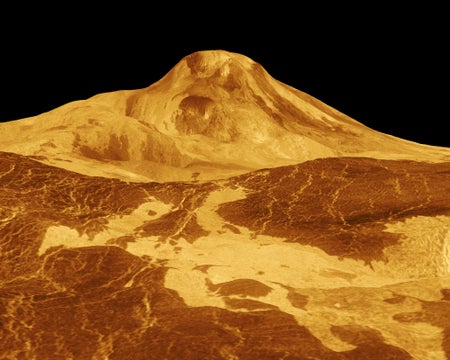
Hellish Venus Might Have Been Habitable for Billions of Years
A team of astronomers think the torrid and toxic world was once a cozy home for potential life

A Volcano Might Be Brewing under Rome's Suburbs
Testing the limits of predictions, some geologists say long-silent Colli Albani might be starting a new eruption phase
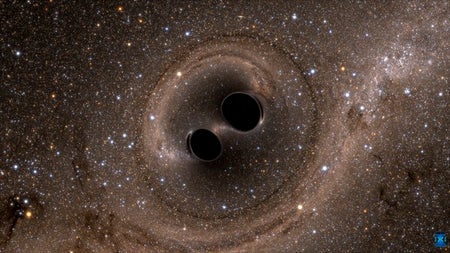
LIGO Discoveries Will Help Scientists Run Stellar Autopsies on Colliding Black Holes
Now that astronomers have detected gravitational waves, they are seeking the origins behind the black hole duos that give rise to them
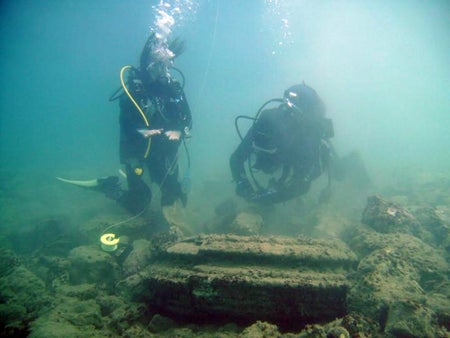
Underwater "Lost City" Built by Microbes?
Geologists find that ancient underwater structures off Greece were likely created by methane jets and bacteria