BiotechDecember 4, 2020
Bionic Eye Tech Learns Its ABCs
An experiment stimulates monkeys’ brain to generate shape perceptions
Simon Makin is a freelance science journalist based in the U.K. His work has appeared in New Scientist, the Economist, Scientific American and Nature, among others. He covers the life sciences and specializes in neuroscience, psychology and mental health. Follow Makin on X (formerly Twitter) @SimonMakin
Bionic Eye Tech Learns Its ABCs
An experiment stimulates monkeys’ brain to generate shape perceptions
Hypnosis Experts Cast Doubt on Famous Psychological Experiments
Suggestibility may explain why people “feel” vicarious pain or sensation in a fake hand
Construction Process Builds Brain Circuits
A novel technique turns brain cells into circuit components

Switch in Mouse Brain Induces a Deep Slumber Similar to Hibernation
If such a snooze button exists in humans, it could protect against strokes, heart attacks and trauma

From Hamsters to Baboons: The Animals Helping Scientists Understand the Coronavirus
Different species are helping answer different questions about COVID-19 in humans in order to develop vaccines and treatments

“Event” Cells in the Brain Help Organize Memory into Meaningful Segments
Neurons in the hippocampus categorize what we experience into abstract, discrete events, such as taking a walk versus having lunch
Effective Psychological Therapy May Slow Cellular Aging
Cognitive-behavioral therapy improved both symptoms and markers of senescence in people with anxiety
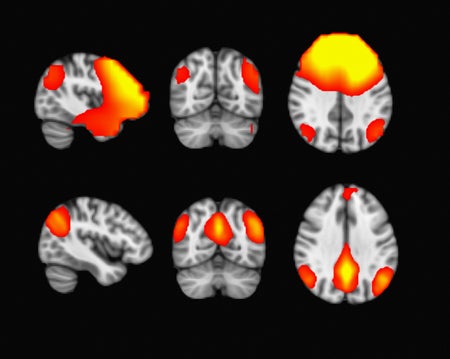
Constant Shifts between Mental States Mark a Signature of Consciousness
Both of two essential brain networks that switch roles—one is on when the other is off—shut down in unresponsive individuals
Born Ready: Babies Are Prewired to Perceive the World
A study in infants adds to the debate about whether we come into the world prepped for higher cognitive abilities such as face recognition
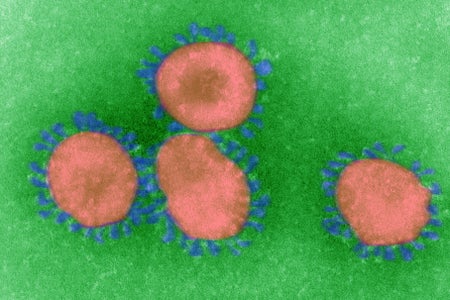
How Coronaviruses Cause Infection—from Colds to Deadly Pneumonia
The novel coronavirus outbreak raises questions about how such pathogens evolve and what makes infections mild or severe
“Organoids” Reveal How Human Forebrain Develops
Studying gene expression in human brain tissue grown in the lab could offer insight into disorders such as autism
Scientists Spot Addiction-Associated Circuit in Rats
Rats show changes in compulsive behavior when a brain connection is turned on or inhibited

Brain Circuit Involved in Compulsive Drinking Identified in Mice
Activity in this circuit predicted which animals would keep drinking despite negative consequences
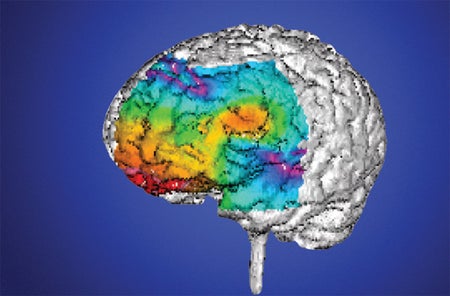
Molecules in Blood Spike Hours before Seizures
Researchers measured a predictive increase in transfer RNA in people with epilepsy

Deep Sleep Gives Your Brain a Deep Clean
Slow-wave activity during dreamless slumber helps wash out neural detritus
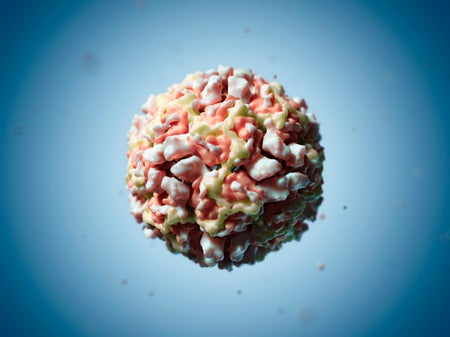
A Newly Identified Protein May Be the Key to Vanquishing the Common Cold
Inactivating this protein in human cells and mice provided immunity to a range of viruses, but an effective treatment is still a long way off

Can an Illusory World Help Treat Psychosis’s Real-World Delusions?
Psychologists launch a clinical trial to gauge whether virtual reality can quell the fears of patients with the mental disorder
Faster MRI Method Could Shake Up Brain Imaging
A new technique relies on measuring changes in tissue stiffness resulting from neural activity
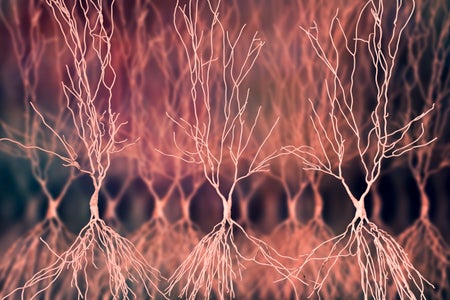
Better Memory through Electrical Brain Ripples
A study in mice shows improved cognitive performance when these bursting signals move around memory circuits
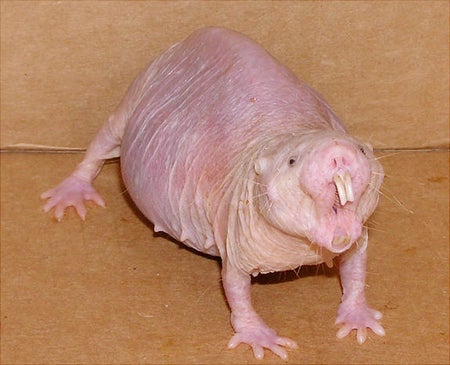
Mole Rat Pain Resistance Could Point the Way to New Analgesics
A novel mechanism has been discovered in the bucktoothed rodents’ ability to withstand hurt

Thwarting a Protein Reverses Brain Decline in Aged Mice
Blocking an immune-related molecule lodged in blood vessels stops memory loss

Brain Activity Decoded to Produce Intelligible, Synthesized Speech
New device is a step toward translating thoughts into machine-spoken words
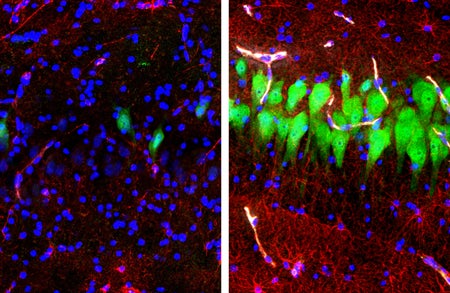
Brain Restoration System Explores Hazy Territory between Being Dead or Alive
An experiment that restored cellular function to pigs’ brains hours after death holds the potential for advancing neuroscience research
Behind the Buzz: How Ketamine Changes the Depressed Patient’s Brain
The anesthetic-cum-party drug restores the ability to make connections among brain cells