CognitionAugust 8, 2017
Possible Anti-Aging Brain Therapy Shows Promise in Mice
Old animals injected with the hormone component klotho learn and remember better
Simon Makin is a freelance science journalist based in the U.K. His work has appeared in New Scientist, the Economist, Scientific American and Nature, among others. He covers the life sciences and specializes in neuroscience, psychology and mental health. Follow Makin on X (formerly Twitter) @SimonMakin
Possible Anti-Aging Brain Therapy Shows Promise in Mice
Old animals injected with the hormone component klotho learn and remember better
Using Big Data to Hack Autism
Researchers scour datasets for clues to autism—needles in a genetic haystack of 20,000 people
Scientists Surprised to Find No Two Neurons Are Genetically Alike
The genetic makeup of any given brain cell differs from all others. That realization may provide clues to a range of psychiatric diseases
Scientists Think They're More Rational Than Other People
Researchers may have an overconfident view of their profession's objectivity
Fountain of Youth? Young Blood Infusions “Rejuvenate” Old Mice
Elderly rodents that received human umbilical cord blood improved significantly in memory tests
Where Does the Brain Store Long-Ago Memories?
An internal filing system sorts events for short- or long-term use
National Corruption Breeds Personal Dishonesty
A shady government influences the moral behavior of its citizens
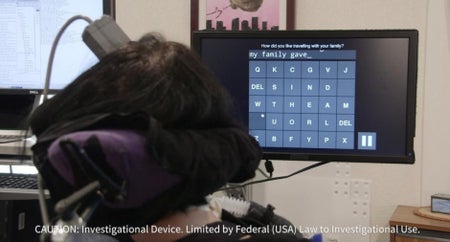
Brain–Computer Interface Allows Speediest Typing to Date
A new interface system allowed three paralyzed individuals to type words up to four times faster than the speed that had been demonstrated in earlier studies

Hive Mind: New Approach Could Improve on Crowd Wisdom
Asking people how many others agree with them could yield more accurate estimates
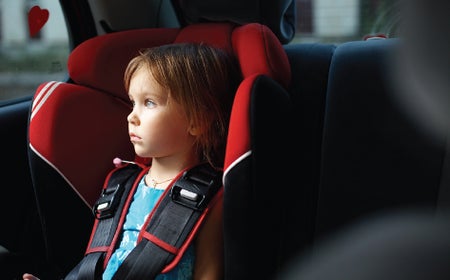
When Can You Leave a Child Unattended?
Research suggests our tolerance for leaving kids alone depends on the reason for the parent’s absence

Why Sleep Disorders May Precede Parkinson's and Alzheimer's
When the body’s biological clock goes awry, insomnia and related disruptions may be an early sign of pending cognitive decline
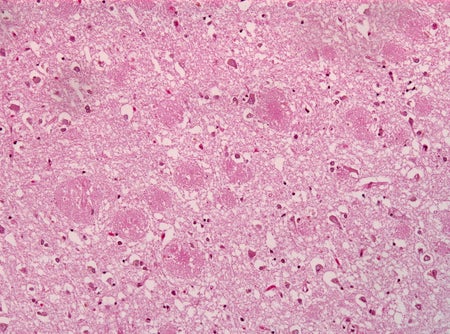
New Alzheimer’s Drug Clears Milestone in Human Clinical Trial
A brain plaque inhibitor developed by Merck is now being tested in larger studies for efficacy against the still unstoppable neurodegenerative disease

Liar, Liar: How the Brain Adapts to Telling Tall Tales
Neural responses decline after repeated acts of dishonesty, research suggests

What Happens in the Brain When We Misremember
Words with like meaning switch on overlapping brain areas to produce false memories
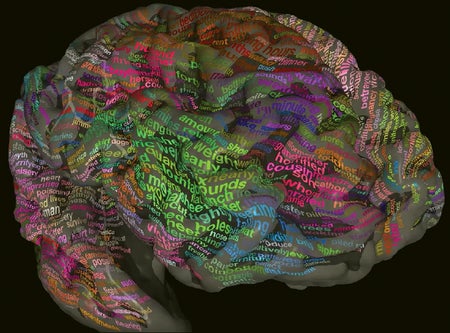
Where Words are Stored: The Brain’s Meaning Map
Semantic information lives all over the cortex
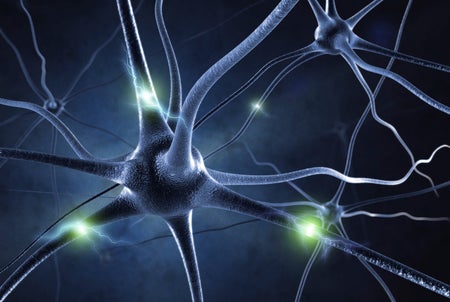
"Neural Dust" Could Enable a Fitbit for the Nervous System
Ultrasound powers wireless devices that can monitor nerves deep in the body
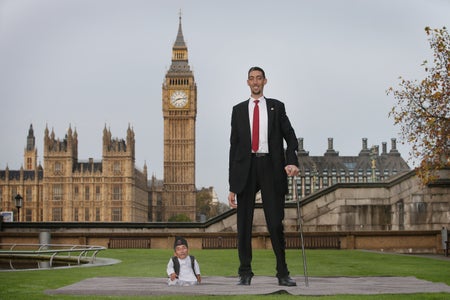
Tall Order--Heights in Other Countries Elevate but U.S. Stature Tops Off
As U.S. men fall behind and South Korean and Latvian women get taller, researchers suggest using height as a measure of development

Does a Newborn's Helplessness Hold the Key to Human Smarts?
Researchers say child care demands created a need for higher IQs—a hotly disputed view
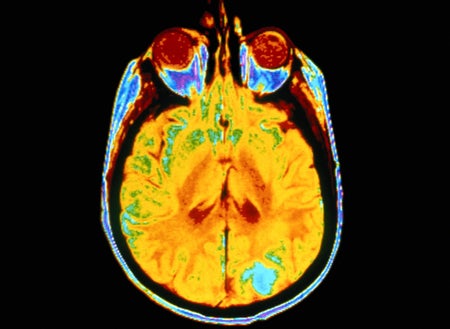
New Evidence Points to Personal Brain Signatures
Brain scans of a person doing nothing at all can predict how neural circuits will light up when that same individual is gambling or reading a book
Can Big Data Help Psychiatry Unravel the Complexity of Mental Illness?
Psychiatrists are looking to sophisticated computational tools that may be able to disentangle the intricacies of mental illness and improve treatment decisions

Could Childhood Adversity Boost Creativity?
A new finding suggests the cognitive effects of an unpredictable childhood are not all bad
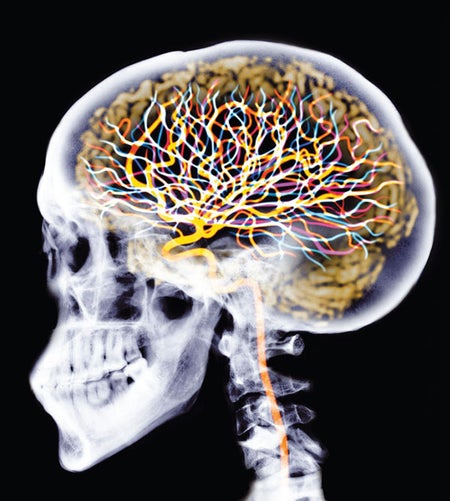
Injectable Brain Implants Talk to Single Neurons
New implants made of fine, flexible mesh last longer and cause less damage than current ones do
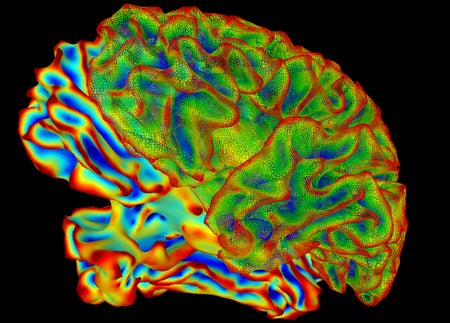
Deciphering the Language of the Brain
A new initiative gets us closer to understanding how our brain cells communicate
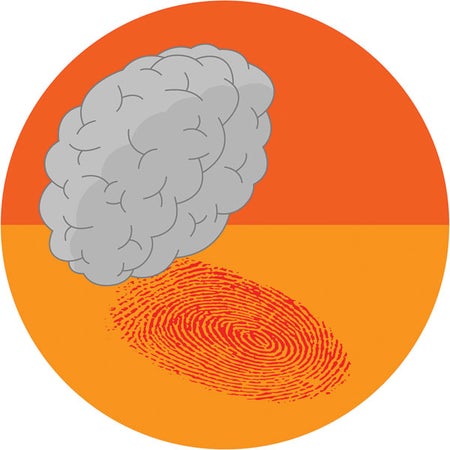
"Brainprints" Can Identify an Individual out of a Crowd with 99 Percent Accuracy
Each person’s mind exhibits a distinct pattern that could be used as a distinguishing feature