
DefenseFebruary 14, 2023
Why We’re Suddenly Spotting Spy Balloons
Every question we have about the airborne objects that may or may not be spying on the U.S.
Sophie Bushwick was formerly the technology editor at Scientific American. She makes frequent appearances on radio shows such as Science Friday and television networks, including CBS, MSNBC and National Geographic. She has more than a decade of experience as a science journalist based in New York City and previously worked at outlets such as Popular Science,Discover and Gizmodo. Follow Bushwick on X (formerly Twitter) @sophiebushwick
Why We’re Suddenly Spotting Spy Balloons
Every question we have about the airborne objects that may or may not be spying on the U.S.
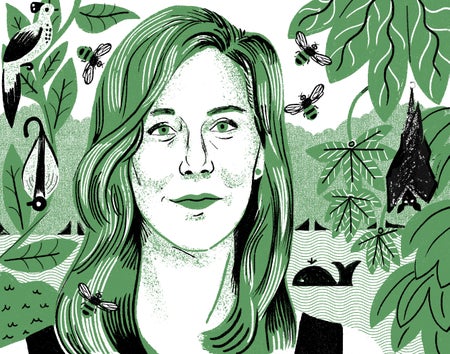
How Scientists Are Using AI to Talk to Animals
Portable sensors and artificial intelligence are helping researchers decode animal communication—and begin to talk back to nonhumans

Chinese Spy Balloon Has Unexpected Maneuverability
An expert explains why it’s so odd that the suspected Chinese spy balloon can change course

FBI Takes Down Hive Criminal Ransomware Group
A cybersecurity expert explains how the FBI’s operation against the ransomware group Hive will impact the rest of this criminal industry
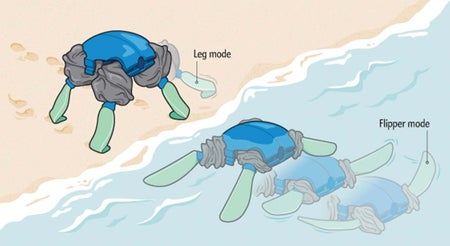
Mighty Morphin’ Turtle Robot Goes Amphibious by Shifting Leg Shape
A turtle-inspired robot can morph its legs to move from land to water and back
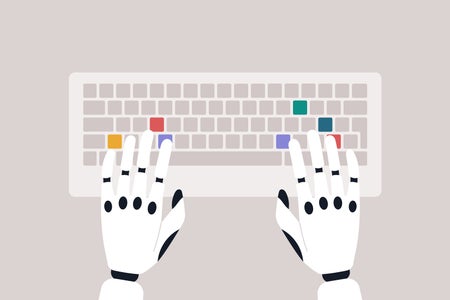
ChatGPT Explains Why AIs like ChatGPT Should Be Regulated
We asked the text-generating AI ChatGPT to talk about its own flaws

10 Ways AI Was Used for Good This Year
Artificial intelligence can improve health, protect biodiversity and even write wine reviews

What You Need to Know about Iran’s Surveillance Tech
Scientific American technology editor Sophie Bushwick explains how Iran is using surveillance tech against vulnerable citizens.
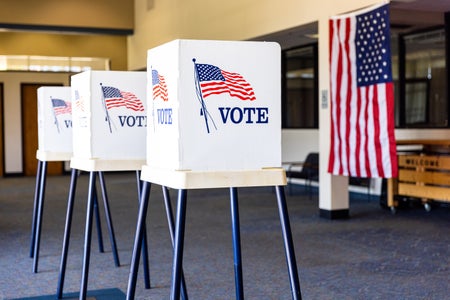
The Most Urgent Science, Health and Climate Issues in the 2022 Midterm Elections
The midterm elections have high stakes for issues such as abortion rights, pandemic funding, climate change and other fundamental policies

How Iran Is Using the Protests to Block More Open Internet Access
The Iranian government is taking advantage of Internet shutdowns to push citizens onto a local intranet that is vulnerable to surveillance and censorship
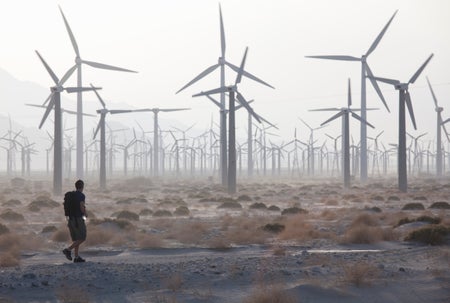
Recycled Wind Turbines Could Be Made into Plexiglass, Diapers or Gummy Bears
A new resin can hold fiberglass wind turbines together for years and then be recycled into valuable products, making green energy even greener
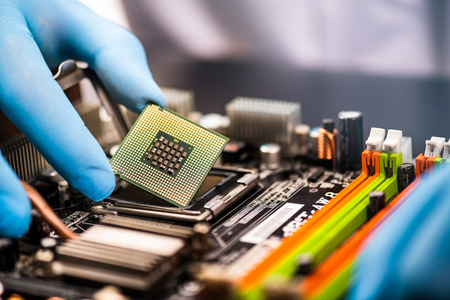
Nearly $53 Billion in Federal Funding Could Revive the U.S. Computer Chip Industry
The CHIPS and Science Act aims to support domestic semiconductor production, new high-tech jobs and scientific research—even NASA
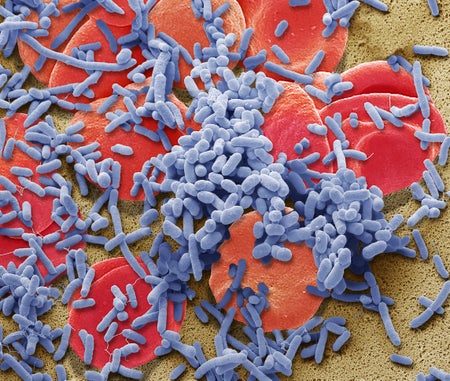
Algorithm That Detects Sepsis Cut Deaths by Nearly 20 Percent
Over two years, a machine-learning program warned thousands of health care providers about patients at high risk of sepsis, allowing them to begin treatments nearly two hours sooner
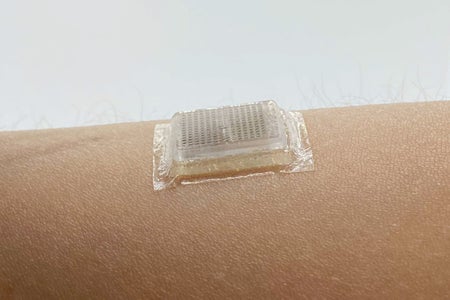
This Sticker Looks Inside the Body
A new stick-on ultrasound patch can record the activity of hearts, lungs and other organs for 48 hours at a time

Roe v. Wade Was Overturned: Here’s How Your Phone Could Be Used to Spy on You
From figuring out how often you go to the bathroom to potentially being used to prosecute you, your trusty smartphone might not be so trusty in a post-Roe world.

Better Face Masks Are Possible: Here Are Some Winning Designs
A two-part competition aims to spark innovation and connect the groups trying to redesign high-quality masks that protect against COVID

Your Phone Could Be Used to Prosecute for Getting an Abortion: Here’s How
Technology editor Sophie Bushwick breaks down the precedent for using your phone to monitor personal health data.

Yes, Phones Can Reveal if Someone Gets an Abortion
To protect personal information from companies that sell data, some individuals are relying on privacy guides instead of government regulation or industry transparency
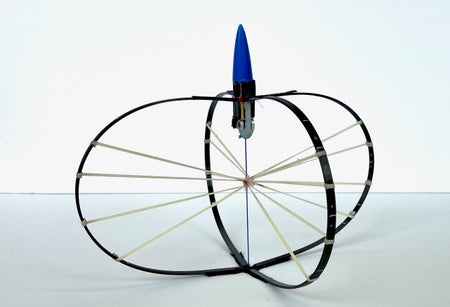
Record-Breaking Jumping Robot Can Leap a 10-Story Building
To propel itself higher than any known engineered jumper or animal can, it had to ignore the limits of biology
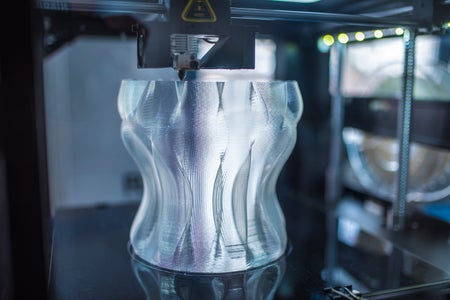
New ‘Ionogels’ Are Tough, Stretchable and Easy to Make
They could find use as protective material, 3-D printer “ink” or longer-lasting batteries

Russia Is Using ‘Digital Repression’ to Suppress Dissent
The Putin regime has a portfolio of digital tools to control information and crack down on protests within the country

Russia’s Information War Is Being Waged on Social Media Platforms
But tech companies and governments are fighting back

How Much Medieval Literature Has Been Lost?
An ecological model suggests islands are better at preserving literature as well as species

AI Outraces Human Champs at the Video Game Gran Turismo
The program also challenges certain assumptions about self-driving cars