BiologyFebruary 1, 2017
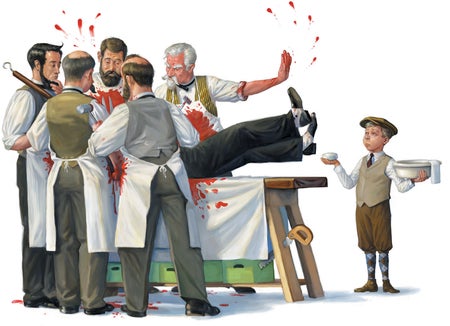
Dirty Doctors Finished What an Assassin's Bullet Started
Disregarding new scientific information can be deadly
Steve Mirsky was the winner of a Twist contest in 1962, for which he received three crayons and three pieces of construction paper. It remains his most prestigious award.
Dirty Doctors Finished What an Assassin's Bullet Started
Disregarding new scientific information can be deadly
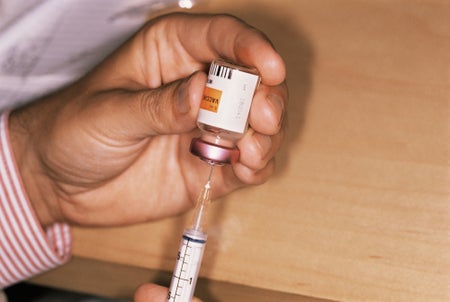
Rapid-Response Vaccines for Epidemic Outbreaks
Trevor Mundel, president of global health at the Gates Foundation, talks to Scientific American editor-in-chief Mariette DiChristina about the Coalition for Epidemic Preparedness Innovations (CEPI) and the efforts to create vaccine platforms for rapid responses to epidemics.
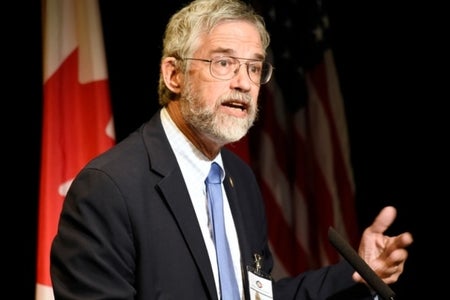
Exit Interview: Presidential Science Advisor John Holdren
Scientific American executive editor Fred Guterl talks with Pres. Obama’s science advisor, John Holdren, about climate science, space travel, the issue of reproducibility in science, the brain initiative and more.

We're Taking You to Bellevue
Pulitzer Prize–winning N.Y.U. historian David Oshinsky, director of the Division of Medical Humanities at the N.Y.U. Langone Medical Center, talks about his latest book, Bellevue: Three Centuries of Medicine and Mayhem at America’s Most Storied Hospital.
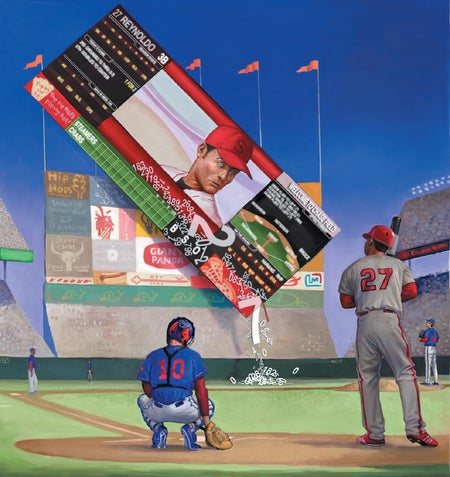
Baseball Confirms the Faber College Motto: Knowledge Is Good
Where does the shortstop play in a paradigm shift?
Best Science Books of 2016
Barbara Kiser, books and arts editor at Nature, talks about her favorite science books of 2016, especially three works about the little-known history of women mathematicians.
Getting Robots to Say No
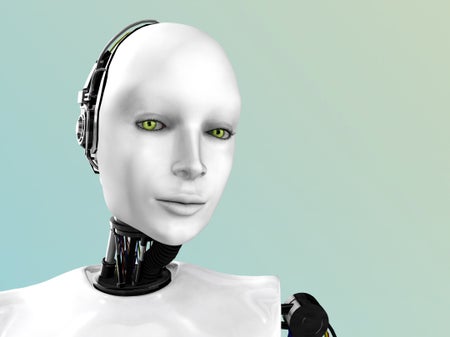
Gordon Briggs, a postdoc at the U.S. Naval Research Laboratory, talks about the article he and Matthias Scheutz, director of the Human Robot Interaction Laboratory at Tufts University, wrote in the January Scientific American titled "The Case for Robot Disobedience."
Come to Florida for the Sun, Stay for the Invasive Species
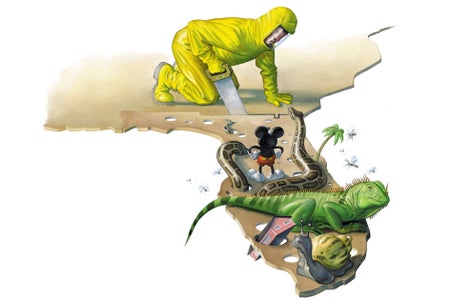
Regarding Florida, orange you glad I didn't say Lantana?
Toll-Free Number Stems Human–Wildlife Conflicts
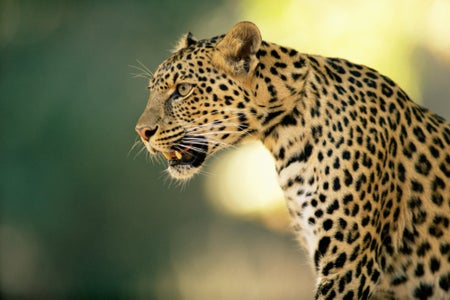
India's Project Wild Seve allows people who have suffered crop or livestock loss from wild animals to streamline the compensation process, thus helping both farmers and wildlife.
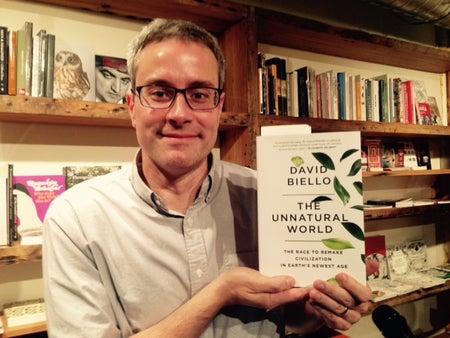
We Now Live in the Unnatural World
David Biello's new book is The Unnatural World: The Race to Remake Civilization in Earth’s Newest Age.

NIH Director Looks at Presidential Transition
National Institutes of Health Director Francis Collins talks about the future of the NIH in light of the election.
How Myths Evolve over Time and Migrations
Julien d’Huy, of the Pantheon–Sorbonne University in Paris, talks about the use of evolutionary theory and computer modeling in the comparative analysis of myths and folktales, the subject of his article in the December 2016 Scientific American.
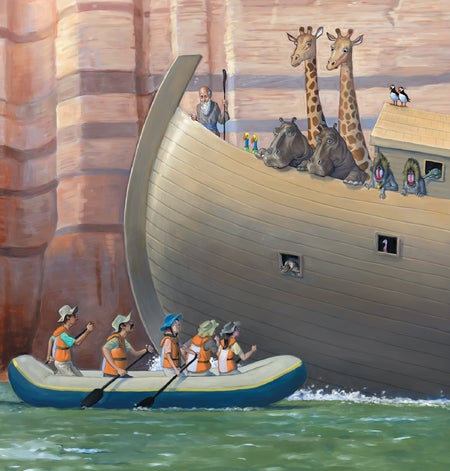
The Grand Canyon Puts You in Touch with Time
More of one passenger's science trip down the Colorado River
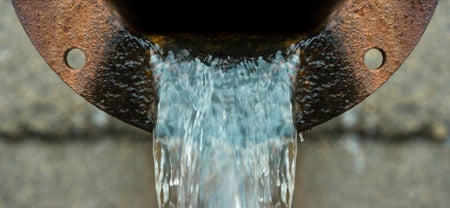
Flint's Water and Environmental Justice
The University of Michigan's Paul Mohai, a leading researcher of issues related to environmental justice, talked about the Flint water crisis at a workshop sponsored by the Institute for Journalism and Natural Resources, attended by Scientific American contributing editor Robin Lloyd.
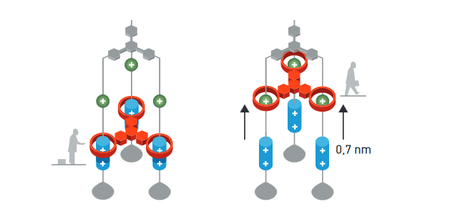
Chemistry Nobel Prize: Machines Too Small to See
The Nobel Prize in Chemistry was awarded today to Jean-Pierre Sauvage, Sir James Fraser Stoddart and Bernard L. Feringa for the design and synthesis of molecular machines.
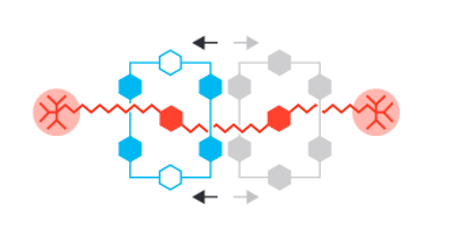
Nobel in Chemistry for Molecular Machines
Jean-Pierre Sauvage, James Fraser Stoddart and Bernard L. Feringa share the 2016 Nobel Prize in Chemistry for the design and synthesis of molecular machines.
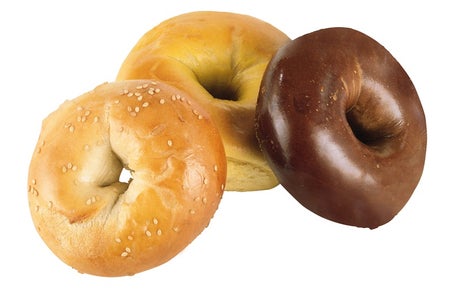
Physics Nobel Prize: Buns, Bagels and Pretzels Help Explain Exotic Matter
The Nobel Prize in Physics was awarded today to David J. Thouless, F. Duncan Haldane and J. Michael Kosterlitz for theoretical discoveries of topological phase transitions and topological phases of matter.
Nobel in Physics for Secrets of Exotic Matter
David J. Thouless, F. Duncan Haldane and J. Michael Kosterlitz split the 2016 Nobel Prize in Physics for theoretical discoveries of topological phase transitions and topological phases of matter.
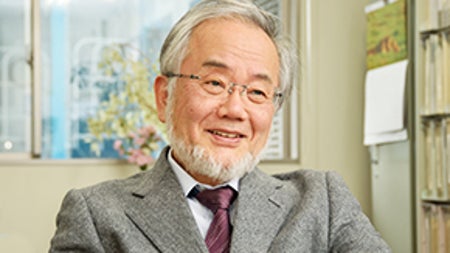
Nobel Prize Explainer: Autophagy
The Nobel Prize in Physiology or Medicine was awarded today to Yoshinori Ohsumi of Japan for his discoveries concerning autophagy. Following the announcement, journalist Lotta Fredholm spoke to Juleen Zierath, chair of the Nobel Committee for Physiology or Medicine, about the research.
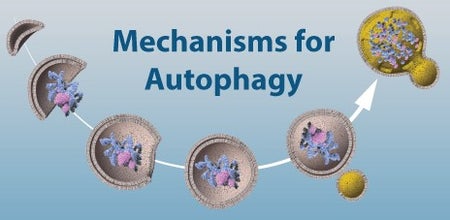
Nobel in Physiology or Medicine to Yoshinori Ohsumi for Autophagy Discoveries
Japan's Yoshinori Ohsumi wins the 2016 prize for discoveries related to autophagy, the process in cells whereby they degrade some of their internal structures and send the parts out for recycling.
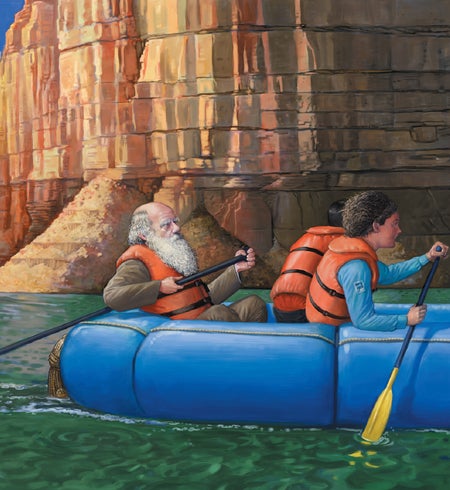
Hanging with Scientists at the Bottom of the Grand Canyon
Boating through the Grand Canyon brings one face-to-wallface with geologic time
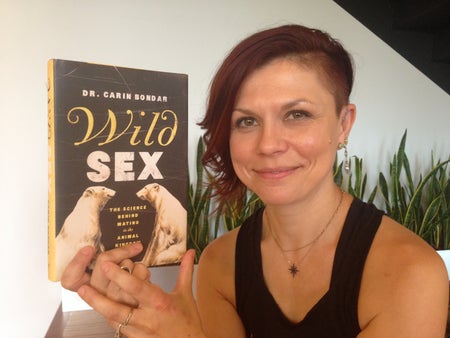
They Do What?!: The Wide Wild World of Animal Sex
Carin Bondar talks about her new book Wild Sex, which covers the strange, surreal and sometimes scary sex lives of our animal cousins.
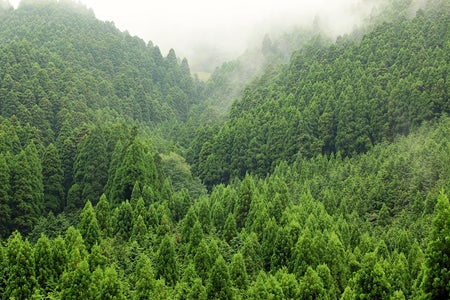
World Wilderness Down 10 Percent in 20 Years
South America and central Africa lost the most wilderness in a decline since the 1990s that saw the planet's wild areas down by a tenth

The Trainable Cat Is a Guide to the Hows and Whys of Focusing Your Feline
A new book touts training your tabby