Mental HealthFebruary 17, 2023
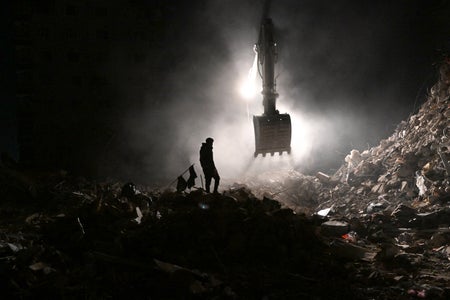
Survivors of Deadly Earthquakes Must Deal with Lasting Trauma
A psychiatrist who has studied the effects of previous devastating quakes explains how the Turkey-Syria earthquake could impact survivors’ mental health
Tanya Lewis is senior desk editor for health and medicine at Scientific American. She writes and edits stories for the website and print magazine on topics ranging from COVID to organ transplants. She also appears on Scientific American’s podcast Science Quickly and writes Scientific American’s weekly Health & Medicine newsletter. She has held a number of positions over her nine years at Scientific American, including health editor, assistant news editor and associate editor at Scientific American Mind. Previously, she has written for outlets that include Insider, Wired, Science News and others. She has a degree in biomedical engineering from Brown University and one in science communication from the University of California, Santa Cruz. Follow her on Bluesky @tanyalewis.bsky.social
Survivors of Deadly Earthquakes Must Deal with Lasting Trauma
A psychiatrist who has studied the effects of previous devastating quakes explains how the Turkey-Syria earthquake could impact survivors’ mental health
How the U.S. Lost Years of Life
Many countries saw drops in life expectancy during the pandemic, but some populations have suffered more than others

The Health Risks of Gas Stoves Explained
Gas stoves produce emissions that can harm human health and the environment. Experts answer questions about the dangers and how to limit them

Your Cats Can Tell When You’re Speaking to Them
Felines recognize their owners’ cat-directed baby talk
The Biggest Health and Biology Breakthroughs of 2022
From reviving dead pig organs to measuring viruses in our poop, here are some of the most intriguing medical advances of the year
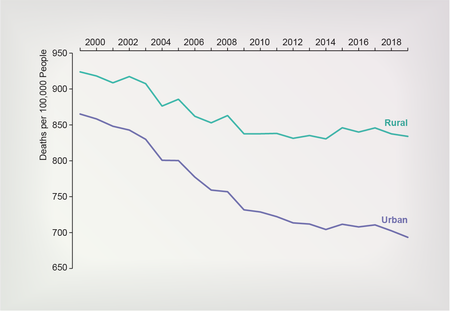
People in Rural Areas Die at Higher Rates Than Those in Urban Areas
Deaths from heart disease, cancer and COVID are all higher in rural areas than urban ones in the U.S., and the gap is only widening
How Vaccines Saved Money and Lives and China’s Zero-COVID Protests: COVID, Quickly Podcast, Episode 44
Vaccines saved New York City billions of dollars, and China faces public fury over its strict virus-control policies.
Antivirals Could Reduce Long COVID Risk and How Well the New Boosters Work: COVID, Quickly Podcast, Episode 43
In this new episode of our coronavirus podcast, we discuss a study that looked at the effects of Paxlovid on long COVID symptoms, and we also talk new bivalent boosters and immunity.
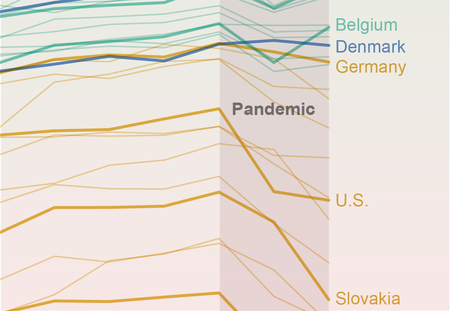
Why Life Expectancy Keeps Dropping in the U.S. as Other Countries Bounce Back
COVID cut average life spans short in many high-income countries, but the U.S. decline has been steeper and longer than most
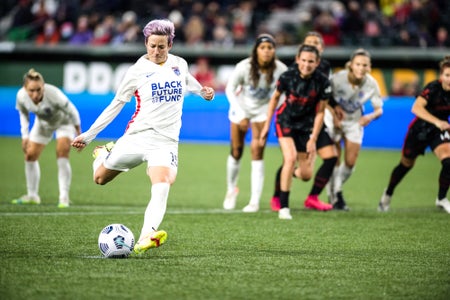
Sexist Science in Soccer Harms Women in an Epic Own Goal
As players take the pitch for the men’s World Cup, science supports their safety and equipment more than it does women’s
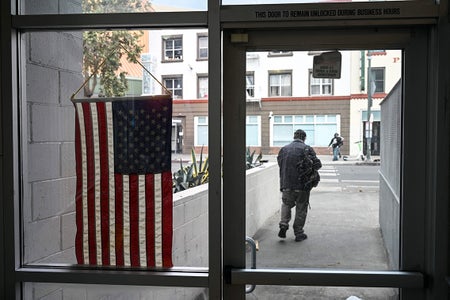
Abortion Rights Won Big at the Ballot Box
Voters chose to protect abortion rights in all five states with abortion-related measures on their ballots
The Viral Triple Threat and Why You Need a Booster: COVID, Quickly, Episode 42
COVID, flu and RSV are surging. Here’s what you need to know to protect yourself.
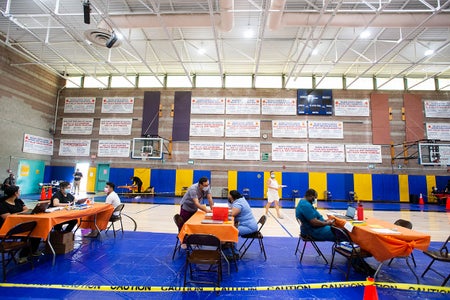
The New COVID Booster Shot Could Save Your Life; Get One Now, FDA Expert Says
FDA Chief Medical Officer Hilary Marston explains the importance of getting a booster shot, considers why so few people have gotten them and answers other questions
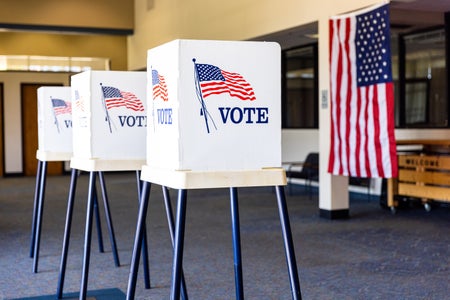
The Most Urgent Science, Health and Climate Issues in the 2022 Midterm Elections
The midterm elections have high stakes for issues such as abortion rights, pandemic funding, climate change and other fundamental policies
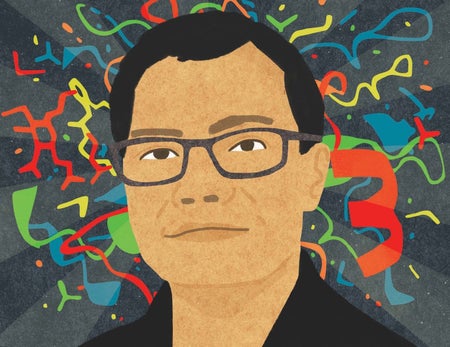
One of the Biggest Problems in Biology Has Finally Been Solved
Google DeepMind CEO Demis Hassabis explains how its AlphaFold AI program predicted the 3-D structure of every known protein
New Halloween ‘Scariant’ Variants and Boosting Your Immunity: COVID, Quickly, Episode 41
In a new episode of the COVID, Quickly podcast, we talk about the variants that are likely to be around this winter and how boosters help even if you’ve already had the disease.
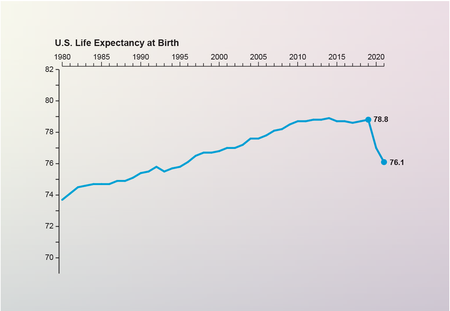
The U.S. Just Lost 26 Years’ Worth of Progress on Life Expectancy
COVID and overdose deaths have sharply cut U.S. life expectancy, with Indigenous peoples experiencing the biggest decline
How the Pandemic Shortened Life Expectancy and New Drugs on the Horizon: COVID, Quickly, Episode 40
In this episode of the COVID, Quickly podcast, we talk about why we’ve had years shaved off our average collective life since 2020. Also, we talk about “mabs” and why you might want to know what they are.

New System Ranks Evidence for Health Risks of Eating Red Meat, Smoking, and More—But Critics Say It’s Overly Simplistic
Researchers developed a five-star rating system for the risks of smoking, eating unprocessed red meat and other factors. Some scientists say the findings aren’t surprising—and could be used to cast doubt on decades of health advice

Discoveries about Ancient Human Evolution Win 2022 Nobel Prize in Physiology or Medicine
Svante Pääbo’s work on sequencing the DNA of Neandertals and Denisovans, which won the 2022 Nobel Prize in Physiology or Medicine, revealed surprising interbreeding among human species
What the Disease Feels Like, and Presidents Can’t End Pandemics: COVID, Quickly, Episode 39
On this episode of the COVID, Quickly podcast, Josh Fischman gets COVID, and President Joe Biden says the pandemic is over.
Unvaxxed Kids and 8 Days a Week (of Isolation): COVID, Quickly, Episode 38
This is our second back-to-school special episode of COVID. Quickly. Today we talk about two big issues: the low vaccination rates among the littlest kids and how long you should quarantine after being sick (actually).
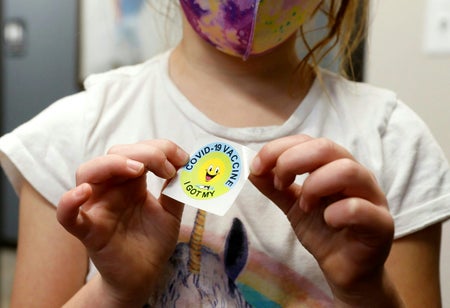
Why So Few Young Kids Are Vaccinated against COVID—And How to Change That
A small fraction of young children in the U.S. are vaccinated against COVID. Pediatricians can help
Back-to-School Special: Kids, Tests and Long COVID Reassurance: COVID, Quickly, Episode 37
This is our back-to-school special episode of COVID, Quickly. We’ll talk about why COVID testing is about to become a school problem—and about whether or not kids are at risk for long COVID.