BiotechJune 10, 2021
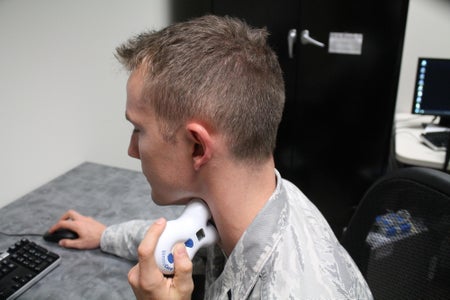
Neck-Zapping Gadget Reduced All-Nighter Fatigue in New Study
And the benefits of two four-minute sessions persisted for hours
Neck-Zapping Gadget Reduced All-Nighter Fatigue in New Study
And the benefits of two four-minute sessions persisted for hours

Injection of Light-Sensitive Proteins Restores Blind Man’s Vision
The first successful clinical test of optogenetics lets a person see for the first time in decades, with help from image-enhancing goggles

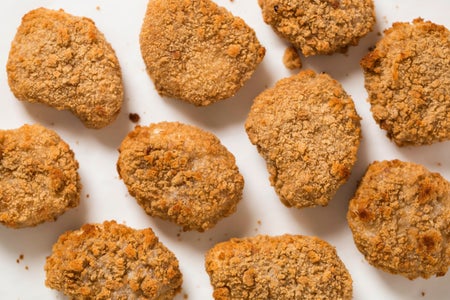
Lab-Made Chicken Reaches Select Diners in Singapore
Club-goers in the island city-state take first bites of slaughter-free chicken nuggets grown in bioreactors
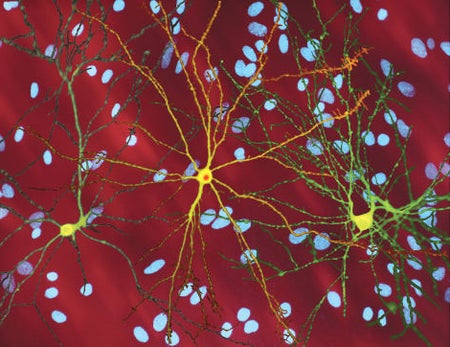
Failure of Genetic Therapies for Huntington’s Devastates Community
Hopes were high for drugs designed to lower levels of a mutant protein, but development has stalled
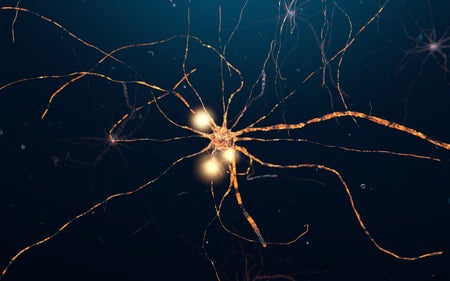
Using Light to Control Cells Holds Promise across the Body
Optogenetics could aid vision, blood glucose, and more

New Blood Analyzer Tells Human from Animal Samples on the Spot
The system could someday provide fast results at a crime scene

COVID Innovations: Vaccines for Variants, Drone Deliveries, Print-Your-Own Shots, and More
Next-generation COVID-19 vaccines will not only tackle different versions of the virus but will provide solutions across the world at a fraction of the cost

Scientists Grew Tiny Tear Glands in a Dish—Then Made Them Cry
Organoids made of tear-producing cells offer chances to study, and possibly treat, eye disorders

AI System Can Sniff Out Disease as Well as Dogs Do
Researchers are training algorithms to emulate trained dogs’ ability to detect cancer and other diseases, perhaps including COVID-19
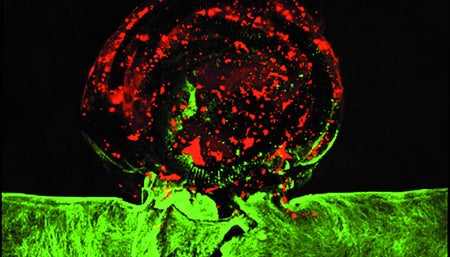
Printing a Brain Aneurysm in a Dish
Scientists make and treat a 3-D-printed model of a ballooning blood vessel

2020’s Top 10 Tech Innovations
Scientific American and the World Economic Forum sifted through more than 75 nominations for the most innovative and potentially game-changing technologies in 2020. The final top 10 span the fields of medicine, engineering, environmental sciences and chemistry. And to win the nod, the technologies must have the potential to spur progress in societies and economies by outperforming established ways of doing things. They also need to be novel (that is, not currently in wide use) yet likely to have a major impact within the next three to five years. Here’s your guide for the (hopefully) near future.
Read the full report here.

Bionic Eye Tech Learns Its ABCs
An experiment stimulates monkeys’ brain to generate shape perceptions