BiotechAugust 18, 2020
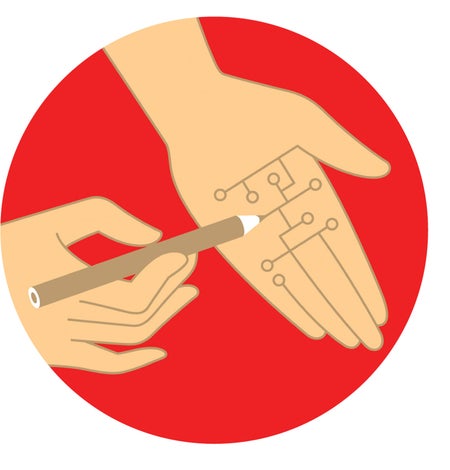
New Pen-and-Ink Method Draws Health Sensors Directly on Skin
Using electronic ink and stencils, researchers created a cheap heart monitor and other health-detecting devices
New Pen-and-Ink Method Draws Health Sensors Directly on Skin
Using electronic ink and stencils, researchers created a cheap heart monitor and other health-detecting devices

The Coming or Possibly Nearly Here Storm
Former Scientific American editor Mark Alpert talks about his latest sci-fi thriller The Coming Storm, which warns about the consequences of unethical scientific research and of ignoring the scientific findings you don’t like.

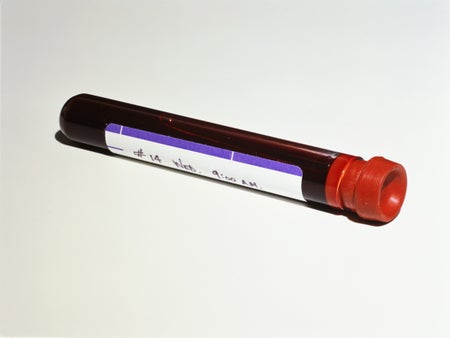
Experimental Blood Test Detects Cancer up to Four Years before Symptoms Appear
The assay looks for stomach, esophageal, colorectal, lung and liver malignancies

Specially Shaped Artificial Particles Detoxify Blood
Camouflaged nanoparticles can soak up toxins like red bloods cells do
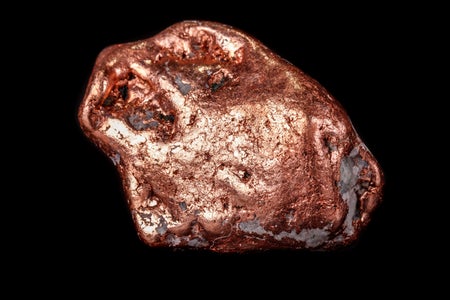
Laser-Textured Metal Surfaces Kill Bacteria Faster
Zapping copper with lasers enhances its antimicrobial properties
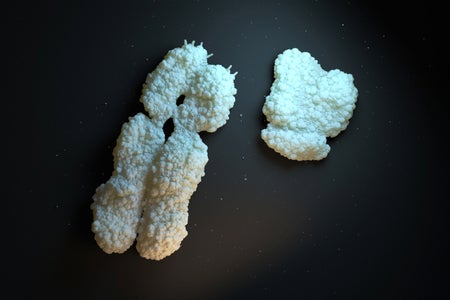
CRISPR Gene Editing in Human Embryos Wreaks Chromosome Mayhem
Three studies showing large DNA deletions and reshuffling heighten safety concerns about heritable genome editing
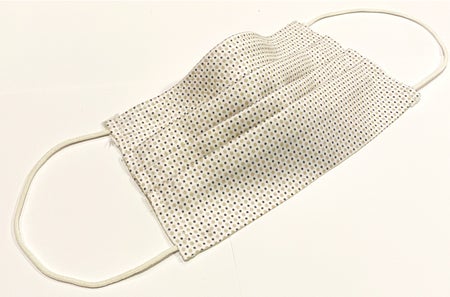
Electrified Fabric Could Zap the Coronavirus on Masks and Clothing
New materials and coatings could make fabric inactivate or repel viral particles

Woman Can Eat after Stomach Is Removed
Originally published in January 1898

Handheld Ultrasound Devices Are Speeding Diagnosis of COVID-19
Doctors can triage and monitor patients faster—and sometimes more accurately—with the aid of the pocket-size machines

New Design Helps N95 Mask Wearers Breathe Easier
The device prevents oxygen deprivation in coronavirus-blocking respirators

New Artificial Eye Mimics a Retina’s Natural Curve
Researchers have crafted a device that replicates the shape of the eye’s sensory membrane

Blind People Could ‘See’ Letters That Scientists Drew on Their Brains with Electricity
Scientists stimulated the brain using electrodes implanted on its surface