Remembering the Extraordinary Scientist Paul Crutzen (1933–2021)
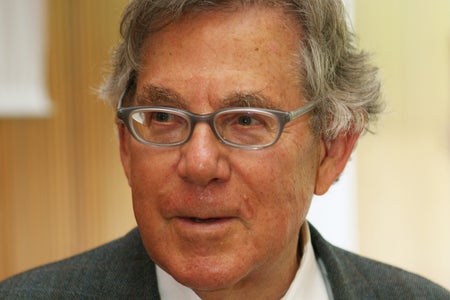
Among other things, he explored the concept of nuclear winter, won a Nobel for his role in helping understand atmospheric ozone depletion and coined the term “Anthropocene”

Remembering the Extraordinary Scientist Paul Crutzen (1933–2021)
Among other things, he explored the concept of nuclear winter, won a Nobel for his role in helping understand atmospheric ozone depletion and coined the term “Anthropocene”
Newly Studied Proteins Expand CRISPR's Editing Range
A catalog of Cas9 proteins could provide gene-editing variety


How the First Life on Earth Survived Its Biggest Threat—Water
Living things depend on water, but it breaks down DNA and other key molecules. So how did the earliest cells deal with the water paradox?

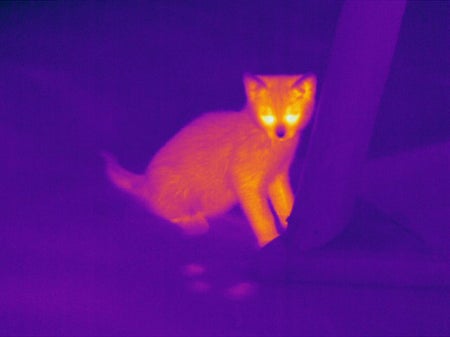
Eye Treatment Stretches Mouse Sight Beyond Visible Spectrum
Nanoparticles that attach to photoreceptors allowed mice to see infrared and near-infrared light for up to two months.

Inventing Us: How Inventions Shaped Humanity
Materials scientist and science writer Ainissa Ramirez talks about her latest book The Alchemy of Us: How Humans and Matter Transformed One Another.

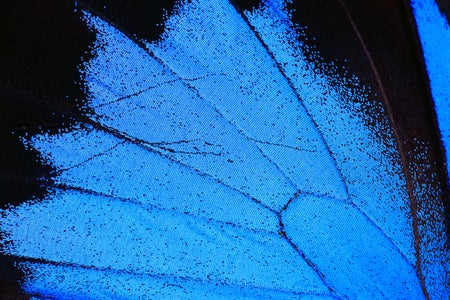
A Butterfly’s Brilliant Blue Wings Lead to Less Toxic Paint
A phenomenon known as structural color could be translated to a range of commercial products

Low-Carbon Cement Can Help Combat Climate Change
Microbes will help decarbonize the construction industry

Sun-Powered Chemistry Can Turn Carbon Dioxide into Common Materials
Visible light can drive industrial processes

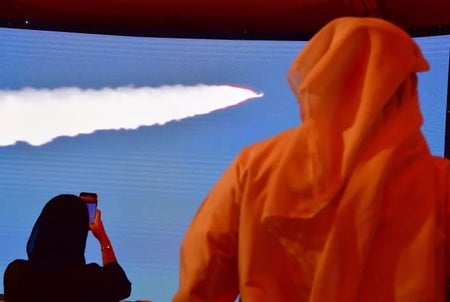
Science News Briefs from around the Globe
Here are some brief reports about science and technology from all over, including one from the United Arab Emirates about the the first interplanetary mission by an Arab country.

Funky Cheese Rinds Release an Influential Stench
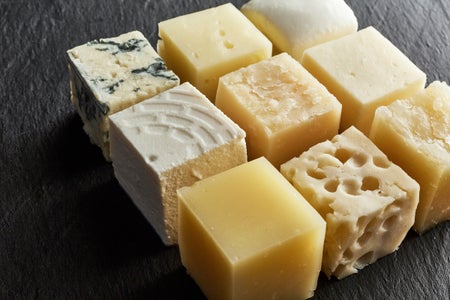
The volatile compounds released by microbial communities on cheese rinds shape and shift a cheese’s microbiome. Christopher Intagliata reports.

Dinosaur Asteroid Hit Worst-Case Place
The mass-extinction asteroid happened to strike an area where the rock contained a lot of organic matter and sent soot into the stratosphere, where it could block sunlight for years.

Nobelist Talks CRISPR Uses
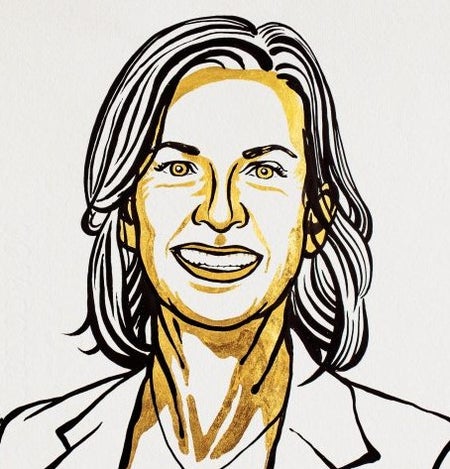
New Nobel laureate in chemistry Jennifer Doudna talks about various applications of the gene-editing tool CRISPR.