
OpinionSeptember 24, 2020
Does ‘Brain Training’ Actually Work?
An online citizen science project is recruiting 30,000 volunteers to assess whether exercises to improve memory and attention are valid—and if so, for whom
Does ‘Brain Training’ Actually Work?
An online citizen science project is recruiting 30,000 volunteers to assess whether exercises to improve memory and attention are valid—and if so, for whom

How to Be a Mystical Skeptic
Psychologist Susan Blackmore stays grounded in science while exploring the outer reaches of consciousness.


How Do I Know I’m Not the Only Conscious Being in the Universe?
The solipsism problem, also called the problem of other minds, lurks at the heart of science, philosophy, religion, the arts and the human condition

New Views of Our Mesmerizing, Maddening Minds

Unveiling the Illusion
How Giovanni Strazza rejected reality to make marble lifelike

COVID-19 Vaccine Ethics: Who Gets It First and Other Issues
Contributing editor W. Wayt Gibbs spoke with Arthur Caplan, head of the NYU Grossman School of Medicine’s division of medical ethics, about some of the ethical issues that researchers have to consider in testing and distributing vaccines against COVID-19.

How Dozens of Languages Help Build Gender Stereotypes
Usage patterns shape biases worldwide, whether in Japanese, Persian or English

The Weirdness of Watching Yourself on Zoom
As babies, we learn that it’s ourself we see in a mirror. But online meeting rooms are a whole different thing

Invisible Qualities such as ‘Hardness’ Can Pinpoint Objects
Objects’ hidden physical traits can help people locate them faster

Can People ID Infectious Disease by Cough and Sneeze Sounds?
Individuals aren’t very good at judging whether someone coughing or sneezing has an infectious condition or is simply reacting to something benign.

Why Some Birds Are Likely To Hit Buildings
Those that eat insects, migrate or usually live in the woods are most likely to fly into buildings that feature a lot of glass.
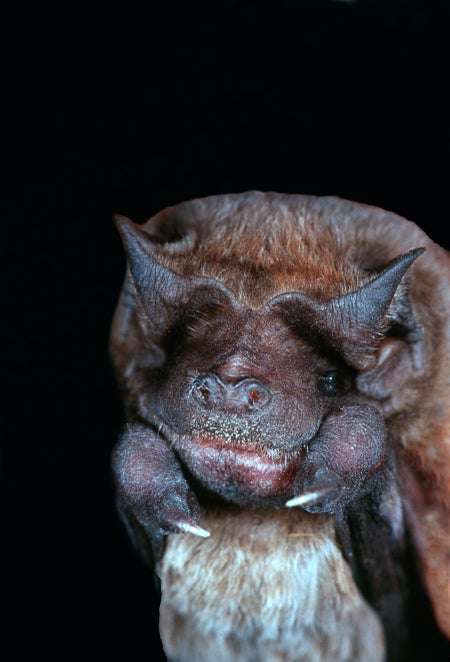
Bat Says Hi as It Hunts
Velvety free-tailed bats produce sounds that help them locate insect prey but simultaneously identify them to their companions.