EvolutionNovember 12, 2020
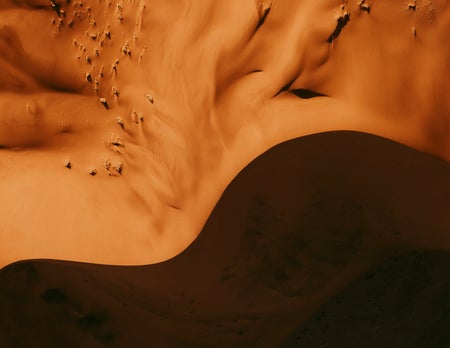
Dramatic Scope of the Anthropocene Can Be Seen from Above
Aerial photography highlights the effect humankind is having on the earth
Dramatic Scope of the Anthropocene Can Be Seen from Above
Aerial photography highlights the effect humankind is having on the earth
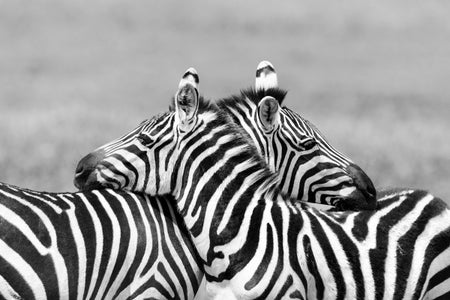
Zebra Coloration Messes With Fly Eyes
Horseflies misjudge landings on zebra patterns, compared with solid gray or black surfaces, which provides evidence for why evolution came up with the black-and-white pattern.

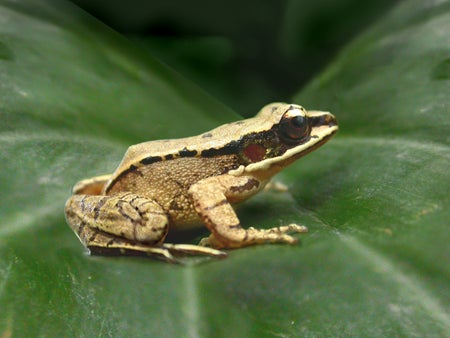
Frog Vocals Lead to Small Preference
The concave-eared torrent frog's unusual ear anatomy lets it hear high-frequency calls, which gives a mating advantage to the littler males that sing soprano.
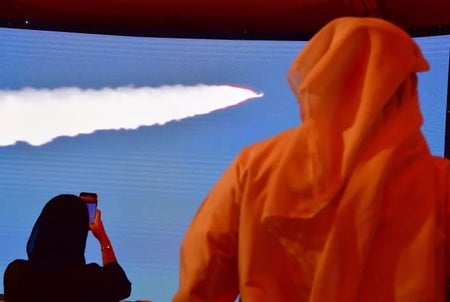
Science News Briefs from around the Globe
Here are some brief reports about science and technology from all over, including one from the United Arab Emirates about the the first interplanetary mission by an Arab country.
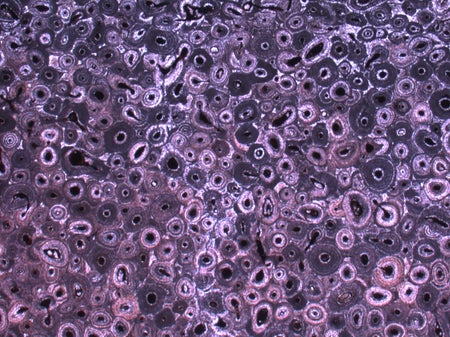
Gruesome ‘Blood Worms’ Invaded a Dinosaur’s Leg Bone, Fossil Suggests
A titanosaur fibula hosts what looks like 70 tiny parasites
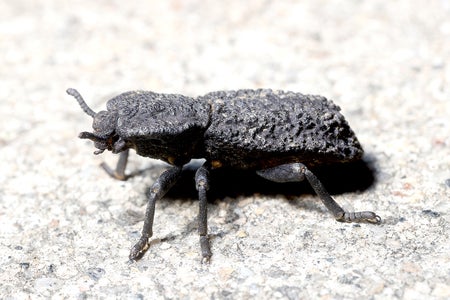
This Beetle's Stab-Proof Exoskeleton Makes It Almost Indestructible
Jigsaw-puzzle-shaped seams that hold a notoriously tough insect’s wing cases together could inspire engineers
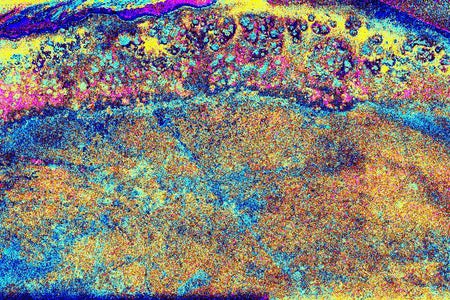
Dinosaur Asteroid Hit Worst-Case Place
The mass-extinction asteroid happened to strike an area where the rock contained a lot of organic matter and sent soot into the stratosphere, where it could block sunlight for years.
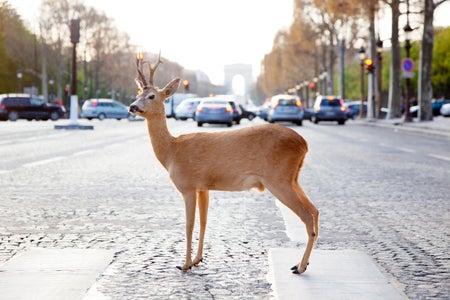
Humans Make Wild Animals Less Wary
From mammals to mollusks, animals living among humans lose their antipredator behaviors.

Play Helped Dogs Be Our Best Friends
The ancestors of today’s dogs already exhibited some playfulness, which became a key trait during domestication.
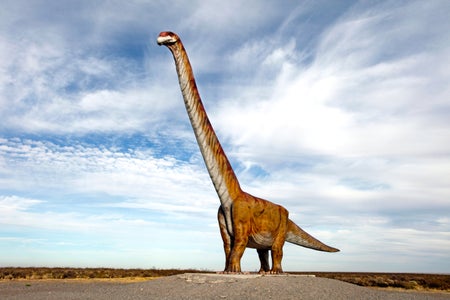
Why the World’s Biggest Dinosaurs Keep Getting Cut Down to Size
Debate erupts over how best to estimate the sizes of the largest creatures ever to have walked the earth
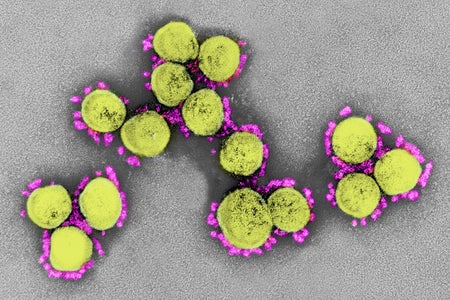
Neandertal DNA May Be COVID Risk
A stretch of Neandertal DNA has been associated with some cases of severe COVID-19, but it’s unclear how much of a risk it poses. Christopher Intagliata reports.
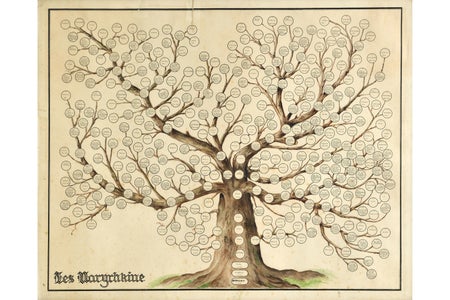
Humans Are All More Closely Related Than We Commonly Think
Humanity’s most recent common ancestor and so-called genetic isopoint illustrate the surprising connections among our family trees