PsychologyOctober 22, 2025
Why Some Apologies Feel Hollow—And Others Don’t
The words we choose when apologizing—especially longer, effortful ones—can signal sincerity and make our apologies feel more authentic.
Why Some Apologies Feel Hollow—And Others Don’t
The words we choose when apologizing—especially longer, effortful ones—can signal sincerity and make our apologies feel more authentic.
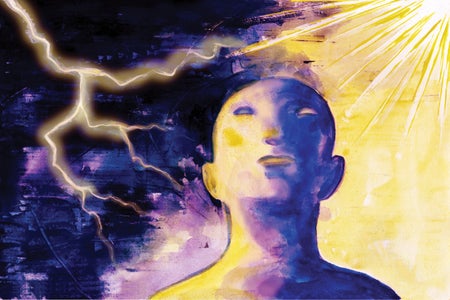
The Slippery Slope of Ethical Collapse—And How Courage Can Reverse It
Your brain gets used to wrongdoing. It can also get used to doing good


Tipsy Bats and Perfect Pasta Win Ig Nobel Prizes for Weird Science Research
Winners of the annual Ig Nobel awards include the science of tipsy bats and the physics of cacio e pepe
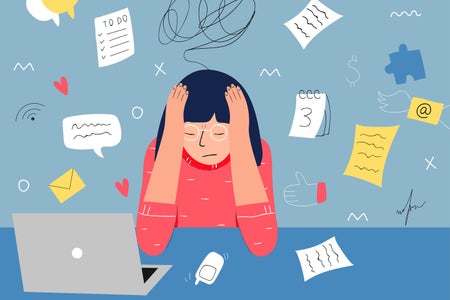
Mondays Really Are More Stressful on the Brain and Body
The start of the workweek can be a biologically measurable stressor, with consequences for long-term health that can stretch into retirement

Small, Easy Acts of Joy Mean Big Gains in Happiness
A community science project finds that modest reminders to find joy in the day can have benefits that are on par with those of more ambitious well-being interventions
Why a Classic Psychology Theory about Vision Has Fallen Apart
The downfall of a long-standing theory in psychology raises a question: How much does the environment we’re raised in change how we literally see the world?
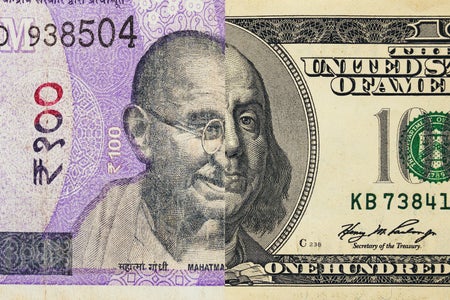
Cash Rewards Have Less Sway in Collectivistic Cultures
Money talks louder in some languages than others
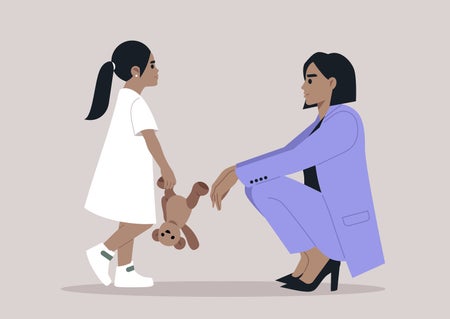
Why ‘Use Your Words’ Can Be Good for Kids’ Health
Studies show that writing or expressing what we are feeling can help adults mentally and physically. Kids are no different
Why Dungeons and Dragons Is Good for Your Brain
Researchers and therapists explore the mental health benefits of tabletop role-playing games like Dungeons and Dragons.

How Humility Can Restore Trust in Expertise
Acknowledging the limits of one’s own knowledge could be as important a signal of expertise as credentials and confidence
The Surprising Science of Dungeons and Dragons
Dropout.tv’s Brennan Lee Mulligan talks about the emotional and cultural importance of Dungeons and Dragons.
Meditation’s Benefits Stretch Beyond the Person Who Meditates
Often framed as a boon for personal wellness, meditation helps us connect with and support others, too