Space ExplorationFebruary 15, 2024
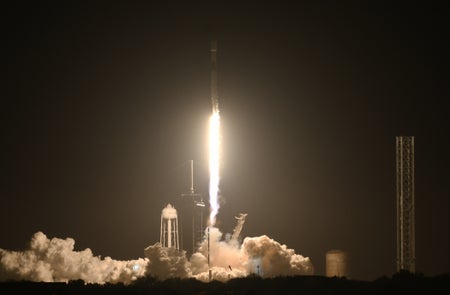
Second Private U.S. Lander Launches to the Moon
Odysseus, a lunar lander built by the aerospace company Intuitive Machines, launched atop a SpaceX rocket on a mission to the moon's south pole
Second Private U.S. Lander Launches to the Moon
Odysseus, a lunar lander built by the aerospace company Intuitive Machines, launched atop a SpaceX rocket on a mission to the moon's south pole
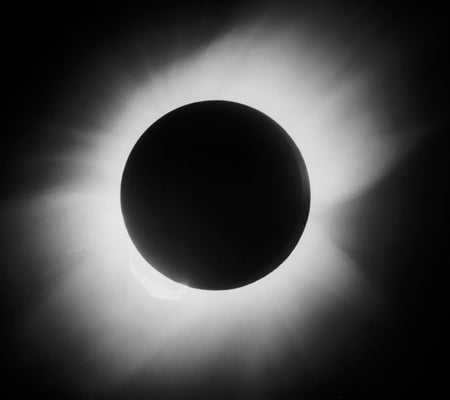
Three Times That Solar Eclipses Transformed Science
From the discovery of new elements to the testing of novel theories of gravity, total solar eclipses have helped spark scientific progress for centuries

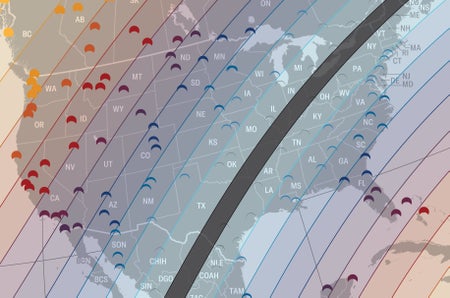
See What the Solar Eclipse Will Look Like across Most of the U.S.
Even if you’re not in the path of totality, the solar eclipse on April 8 will offer a show to nearly everyone across North and Central America
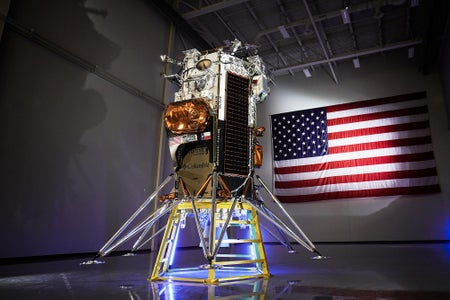
Second Private U.S. Moon Lander Readies for Launch
Intuitive Machines’ IM-1 is aiming to be the first commercial mission to softly land on another celestial body—and the first to deliver NASA equipment to the moon

Planets Orbiting Dead Stars Foretell the Solar System’s Far-Future Fate
Images of possible planets around white dwarf stars suggest that some gas-giant worlds survive the deaths of their stellar host
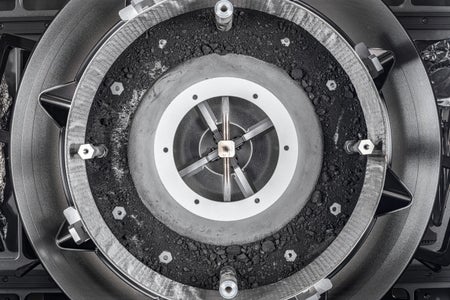
NASA’s Asteroid Samples May Come from a Long-Lost Ocean World
A first look at materials from asteroid Bennu sparks speculation that the space rock was once part of an ancient, watery protoplanet
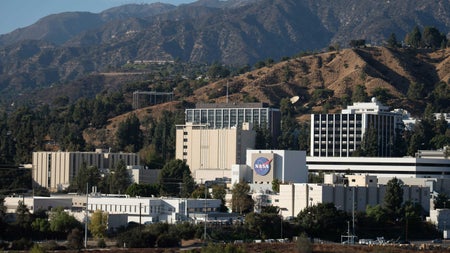
Mars Mission’s Budget Problems Force NASA Layoffs
NASA's Jet Propulsion Laboratory is eliminating nearly 600 workers due to funding shortfalls for the space agency's Mars Sample Return mission
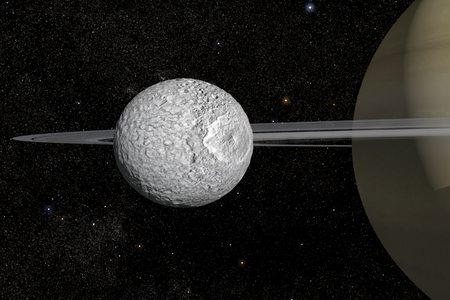
Saturn’s ‘Death Star’ Moon May Hide a Massive, Shockingly Young Ocean
A surprisingly youthful ocean within Mimas, a tiny moon of Saturn, has big implications for the solar system’s history—and for finding life beyond Earth

When We Find Earth 2.0, What’s Next?
We’re looking for another Earth. But how likely is it that we’ll find a duplicate of home?

Where Does Outer Space Begin?
The popular limit of a 100-kilometer altitude for the edge of space should probably be adjusted down to 80 km
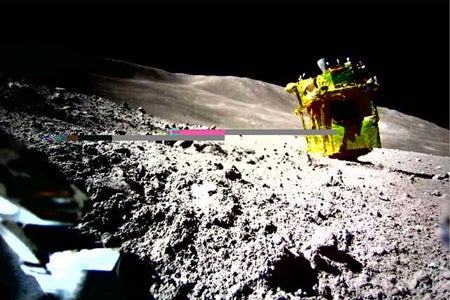
Japan’s SLIM Mission Is Revived on the Moon
After a nine-day shutdown, the upside-down lunar lander received enough sunlight to power up again

First Space-Based Gravitational Wave Detector Gets Go-Ahead
The Laser Interferometer Space Antenna could discover gigantic ripples in spacetime from merging supermassive black holes and more