
Public HealthDecember 24, 2020
The U.K. Coronavirus Mutation Is Worrying but Not Terrifying
There is evidence the new variant could be more transmissible, yet vaccines work very well against it
Sara Reardon is a freelance biomedical journalist based in Bozeman, Mont. She is a former staff reporter at Nature, New Scientist and Science and has a master’s degree in molecular biology.
The U.K. Coronavirus Mutation Is Worrying but Not Terrifying
There is evidence the new variant could be more transmissible, yet vaccines work very well against it

Who Will Get COVID Vaccines First, and Who Will Have to Wait?
In the U.S., health workers come first. But for other groups, scientists and policy makers are weighing a mix of disease risks, logistics and ethics
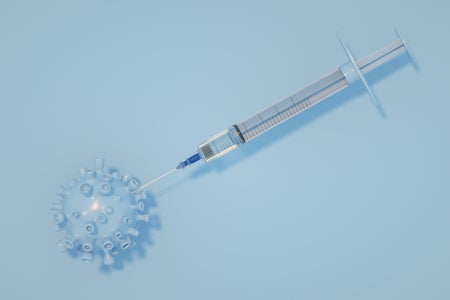
For COVID Drugs, Months of Frantic Development Lead to Few Outright Successes
There have been mixed results as researchers try to stop a disease they are still trying to understand

Leading Scientists Urge Voters to Dump Trump
Journals and Nobelists, usually cautious, cite unprecedented damage and incompetence in calls for a U.S. leadership change
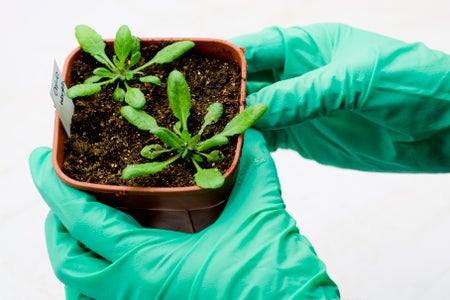
Plants Have Hormones, Too, and Tweaking Them Could Improve Food Supply
Crops sense and respond to drought, pests and other stressors in surprising ways, researchers are discovering
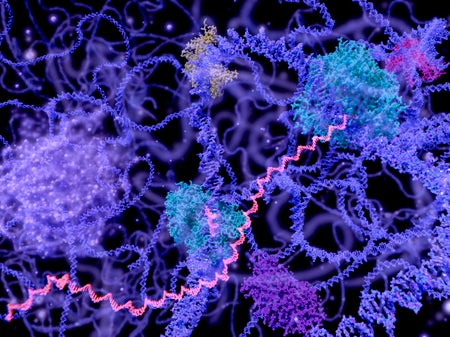
Step Aside, CRISPR: RNA Editing Is Taking Off
Making changes to the molecular messengers that create proteins might offer flexible therapies for cancer, pain or high cholesterol, in addition to genetic disorders
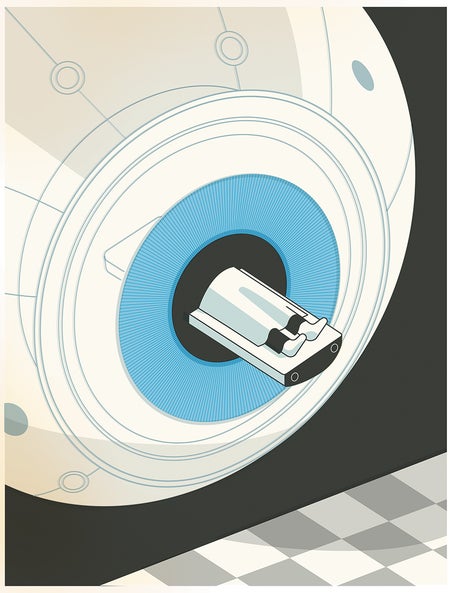
Rise of Robot Radiologists
Deep-learning algorithms are peering into MRIs and x-rays with unmatched vision, but who is to blame when they make a mistake?

The U.S. Opioid Epidemic Is Driving a Spike in Infectious Diseases
Researchers around the country are scrambling to understand these outbreaks, but lack solid data on case numbers

Massive Study Finds No Single Genetic Cause of Same-Sex Sexual Behavior
A massive study of half a million people finds no single gene behind sexual orientation, adding more evidence that there is no “gay gene”

Trials Test if C-section Babies Benefit from Mom’s Microbes
Swabbing infants with mothers’ vaginal bacteria could affect the children’s health, but critics warn of sparse data and high risk
Big Changes Needed to Fight Harassment, Group Tells US Biomedical Agency
Advisory panel says US National Institutes of Health should treat sexual harassment more seriously and do more to help affected researchers
Trump Administration Halts Fetal-Tissue Research by Government Scientists
Policy also requires ethics review for any grant applications to the National Institutes of Health that involve fetal tissue
Trump Seeks Big Cuts to Science Funding—Again
The president wants to cut spending at the National Institutes of Health and Environmental Protection Agency, but it is not clear whether Congress will go along
How Machine Learning Could Keep Dangerous DNA out of Terrorists' Hands
Sophisticated algorithms could help DNA-synthesis companies avoid making dangerous organisms on demand
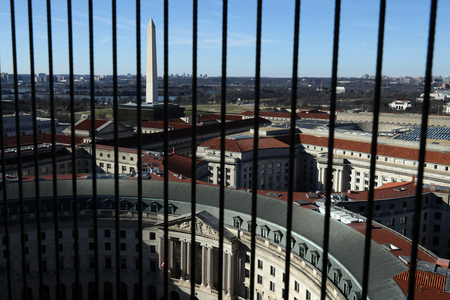
As the Shutdown Persists, Here Are 5 Ways It Will Impact Science
A second wave of closures looms as the government funding fight barrels towards a record-breaking fourth week
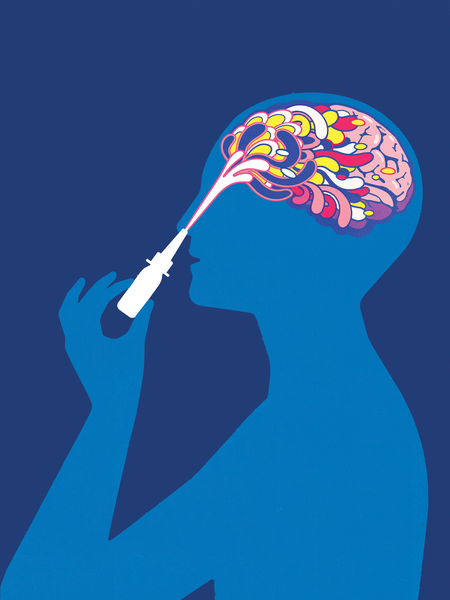
Party-Drug-Turned-Antidepressant Approaches Approval
Johnson & Johnson has submitted its esketamine for regulatory approval, but researchers still don't understand how the fast-acting antidepressant lifts moods

Canary in the Crater
Scientists scramble to analyze data from the eruption of Kilauea, hoping to predict similar events elsewhere
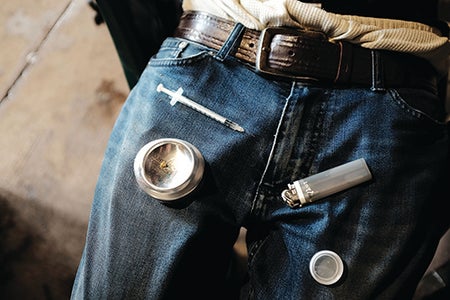
Model Citizens
How digital drug dealers and virtual users are providing clues to help stop the U.S. opioid epidemic

Science and the Supreme Court: Cases to Watch in 2018
The death penalty, uranium mining and the endangered dusky gopher frog are among the topics that justices will consider this year

U.S. Is Woefully Unprepared for Nuclear Strike
Its health system lacks the capacity to respond to attacks that use high-powered modern weapons

Autism and DDT: What 1 Million Pregnancies Can—and Can't—Reveal
Analysis finds prenatal exposure to the pesticide is associated with a higher risk of severe autism with intellectual impairment
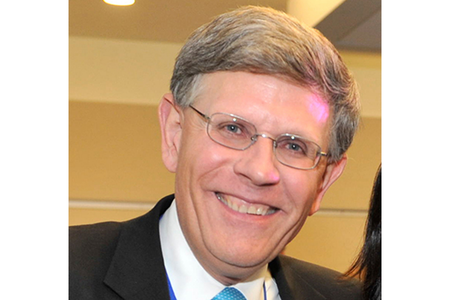
Trump Taps Meteorologist as White House Science Advisor
Nomination of Kelvin Droegemeier could end long drought at the White House Office of Science and Technology Policy

Top U.S. Court Upholds Trump Travel Ban: Student Visas Already in Decline
In 5-4 ruling, Supreme Court allows government to bar visitors and immigrants from seven nations

Controversial Alcohol Study Cancelled by U.S. Health Agency
An investigation by the U.S. National Institutes of Health finds missteps that put the industry-funded project’s credibility in doubt