BiotechMay 24, 2018
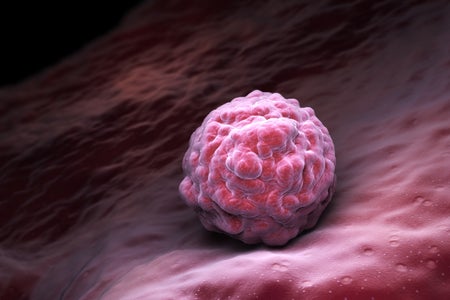
Hybrid Human–Chicken Embryos Illuminate Key Developmental Milestone
A new technique could replace the need for human embryos in some lab experiments
Sara Reardon is a freelance biomedical journalist based in Bozeman, Mont. She is a former staff reporter at Nature, New Scientist and Science and has a master’s degree in molecular biology.
Hybrid Human–Chicken Embryos Illuminate Key Developmental Milestone
A new technique could replace the need for human embryos in some lab experiments
Colombia after the Violence
Peace efforts in Colombia have ended 50 years of intense conflict. Now, scientists are studying former fighters and victims as they attempt to heal
Brain Implants for Mood Disorders Tested in People
AI-controlled devices record neural activity and automatically stimulate the brain
Trump Budget Gives Last-Minute Reprieve to Science Funding
Funding for the National Science Foundation and National Institutes of Health would hold steady after Congress agrees to lift spending caps, but details are fuzzy

Cells Hack Viruslike Protein to Communicate
Proteins that researchers think are key to long-term memory formation also move genetic material between cells in both mice and flies
AI Algorithms to Prevent Suicide Gain Traction
Facebook is one of several companies exploring ways to detect online behaviors that have been linked to self-harm
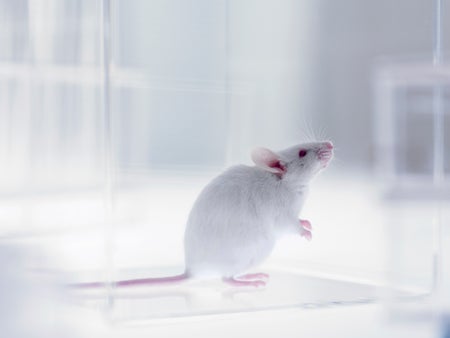
Sex Matters in Experiments on Party Drug—in Mice
Ketamine lifts rodents' mood only if administered by male researchers
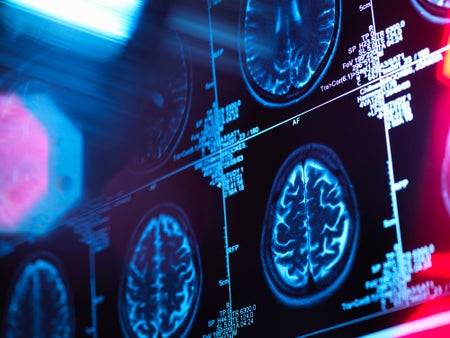
Geneticists Are Starting to Unravel Evolution’s Role in Mental Illness
Hints emerge that past environments could have influenced psychiatric disorders
3D Map of Mouse Neurons Reveals Complex Connections
Reconstructions of single cells highlight how far they can reach into the brain

How the Latest U.S. Travel Ban Could Affect Science
Short-term travel and meeting attendance could become harder for researchers from eight countries, including Iran
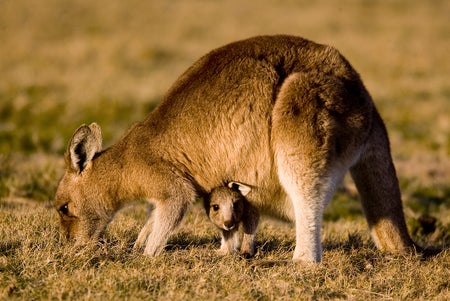
Wallaby Milk Acts as a Placenta for Babies
Gene-expression analysis suggests that marsupial placentas take two different forms
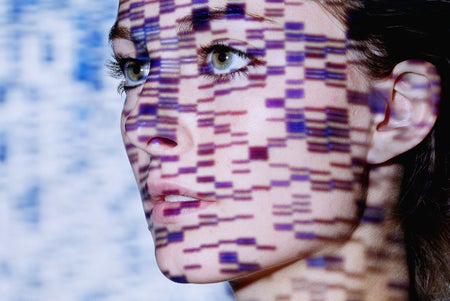
Geneticists Pan Paper That Claims to Predict a Person's Face from DNA
Reviewers and a co-author of a paper by genomics entrepreneur Craig Venter claim that it misrepresents the risks of public access to genome data

U.S. Biomedical Research Facilities Still Unprepared for Natural Disasters and Attacks
Science panel says institutions need to do more to prevent and mitigate damage to research equipment and animals
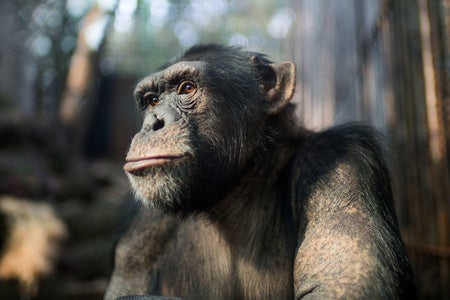
Chimpanzees Are First Animal Shown to Develop Telltale Markers of Alzheimer's Disease
Brain analysis revealed protein plaques and tangles, but whether the animals develop dementia is unclear
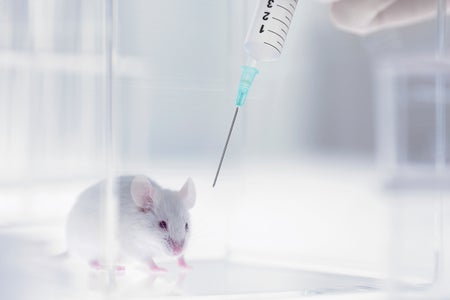
Brain’s Stem Cells Slow Aging in Mice
Transplanted cells offer middle-aged rodents an increased life span
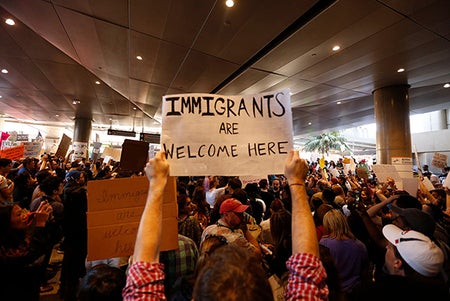
Scientists in Limbo as U.S. Supreme Court Allows Modified Travel Ban
Justices overturn lower court rulings on policy targeting people from six majority-Muslim countries
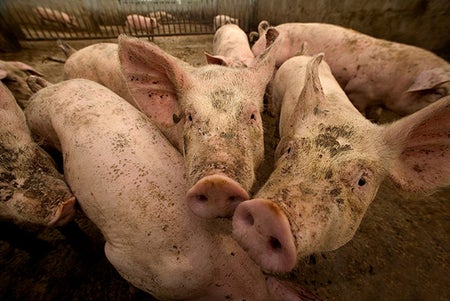
Resistance to Last-Ditch Antibiotic Has Spread Farther Than Anticipated
Emergence of colistin resistance in farm animals around the world takes researchers by surprise
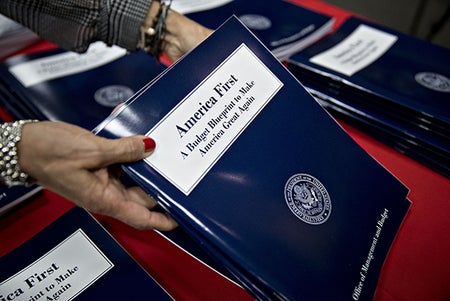
Trump Budget Would Slash Science Programs across Government
Cuts include 18 percent at the National Institutes of Health and 30 percent at the Environmental Protection Agency
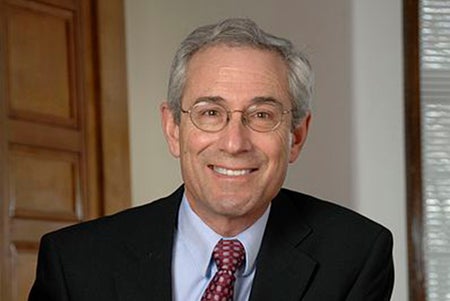
Former U.S. Mental Health Chief Leaves Google
Tom Insel will launch his own company to analyze behavior and mental illness using smartphone data
Science Wins Reprieve in U.S. Budget Deal
Congress gives National Institutes of Health a big boost and avoids cuts to research agencies sought by Trump
U.S. Regulators Test Organs-on-Chips for Food-Safety Monitoring
The goal is to compare these engineered livers with animal models, with an eye toward replacing animal testing
Genetic Details of Controversial "3-Parent Baby" Revealed
The child's parents have decided to forgo long-term monitoring by researchers
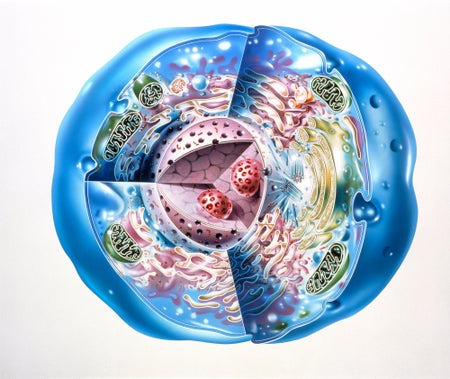
Quantum Microscope Spies on Chemical Reactions in Real Time
Diamond-based imaging system uses magnetic resonance of electrons to detect charged atoms
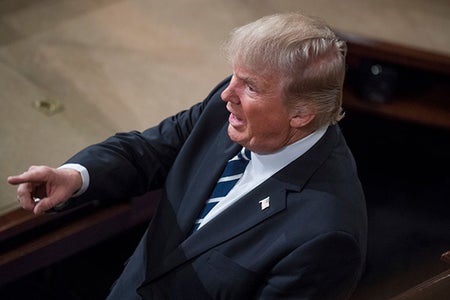
How the Fallout from Trump's Travel Ban Is Reshaping Science
Researchers are cutting travel, ending collaborations and rethinking their U.S. ties