
PsychologyMarch 28, 2026
How to build self-control, according to psychologists
Exercising self-control doesn’t need to be unpleasant, research shows
How to build self-control, according to psychologists
Exercising self-control doesn’t need to be unpleasant, research shows
AI chatbots are suck-ups, and that may be affecting your relationships
A new study of AI sycophancy shows how asking agreeable chatbots for advice can change your behavior

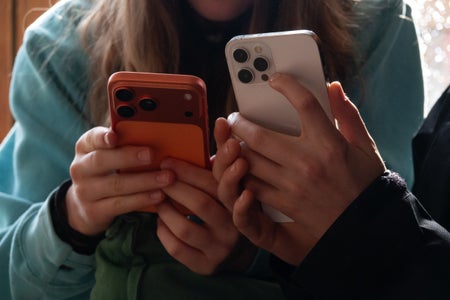
Jury finds Meta and YouTube negligent in landmark social media addiction case
A Los Angeles trial jury found that Meta and YouTube are offering products that are addictive and harmful to young users’ mental health
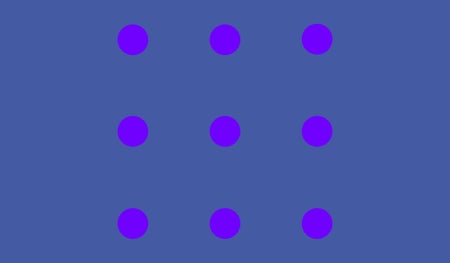
What color is this dot? New illusion demonstrates weird vision quirk
An optical illusion with nine simple dots reveals a surprising amount about the eye and brain
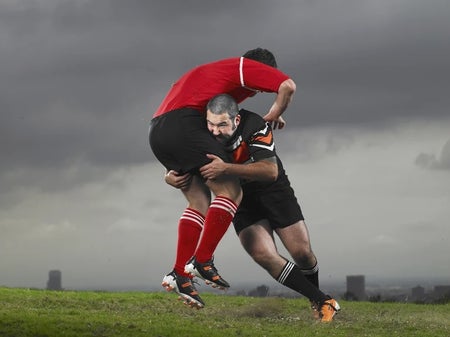
Brain’s protective barrier stays leaky for years after playing contact sports
Damage to the blood-brain barrier is linked to immune changes and cognitive decline
Rival ‘shadow’ group to RFK, Jr.’s autism science committee meets in D.C.
Autism researchers are working to counter a federal autism advisory panel that they say has vaccine skeptic members and a “striking absence of scientific expertise”

The world’s happiest countries report calls attention to youth well-being
An annual world happiness ranking for 2026 explores how the use of social media influences well-being
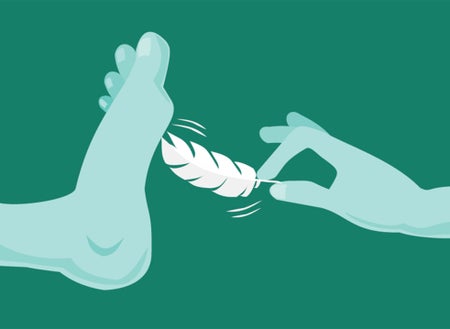
The surprising science of tickling
Tickling may be evolutionarily ancient and recognized across cultures, but science has only scratched the surface of this topic

Medical cannabis isn’t an effective treatment for anxiety, depression or PTSD, new research shows
People frequently use medical cannabis to treat anxiety, depression and PTSD, but two new reviews show there is little evidence that it works
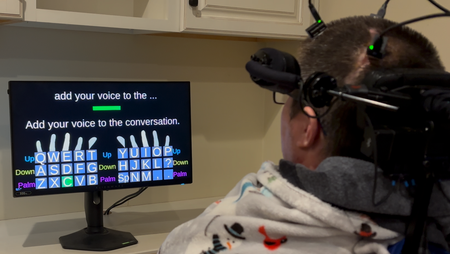
Brain implant allows people who are paralyzed to type using their thoughts at speed of texting
A brain-computer interface allowed two people who had lost the ability to move their limbs to type at speeds of up to 22 words per minute
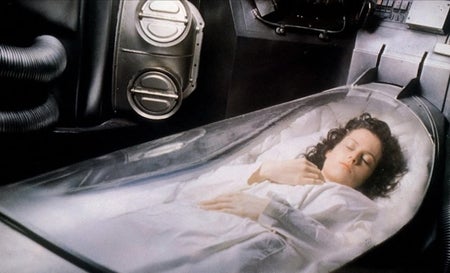
Scientists revive activity in frozen mouse brains for the first time
“Cryosleep” remains the preserve of science fiction, but researchers are getting closer to restoring brain function after deep freezing
China just approved its first brain implant for commercial use, a world first
Neuracle Medical Technology’s invasive brain-computer interface has been given the green light in China for people with partial spinal cord injuries