AnimalsMarch 13, 2026
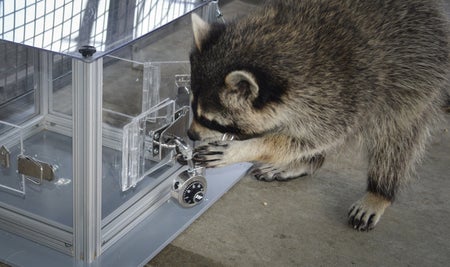
Raccoons will solve puzzles just for fun
Raccoons might want to break into your trash can even without delicious leftovers inside
Raccoons will solve puzzles just for fun
Raccoons might want to break into your trash can even without delicious leftovers inside
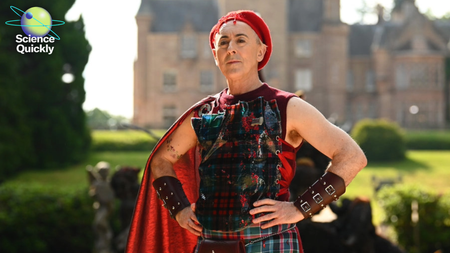
How The Traitors reveals the psychology behind lying
From cognitive overload to pretty privilege, the science behind The Traitors shows what really makes lies believable


Sports gambling could be boosting binge drinking in young men
Men aged 35 or younger who already drink heavily may be even more likely to binge alcohol because of legal online sports betting, a new study has found
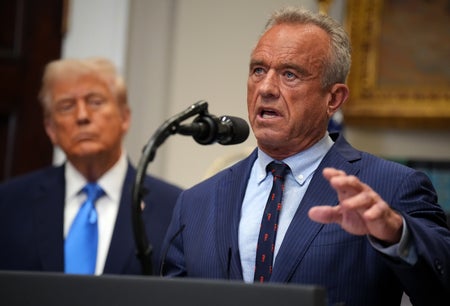
RFK, Jr.’s overhauled autism advisory board cancels first public meeting
The cancellation of a meeting of the committee that guides federal autism research funding follows an announcement that an independent group of autism scientists would meet the same day
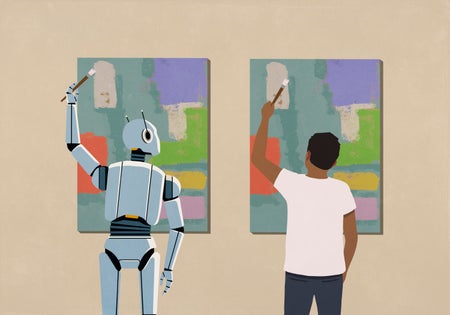
People who know more about AI art find it less ethical
When people understand the system and process behind AI art, its moral implications become harder to accept
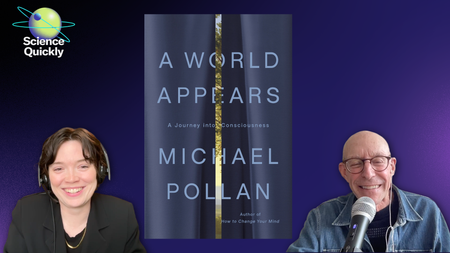
Michael Pollan on why consciousness is a mystery—and why protecting it matters
Michael Pollan dives into the scientific and philosophical puzzles of consciousness, from brain biology to AI and beyond
Michael Pollan explains why AI will never replicate human consciousness
Michael Pollan tells Scientific American why the science of consciousness may ultimately be too subject to our own conscious minds to crack
Pioneering gene therapy may treat a deadly seizure disorder
New gene therapy results bring hope for treating Dravet syndrome, a rare and often fatal seizure condition
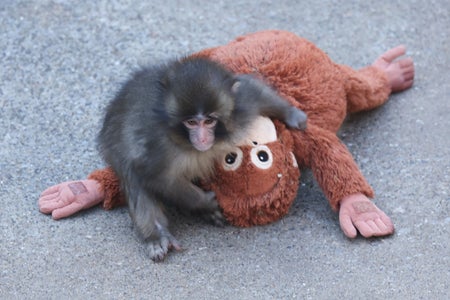
Punch the monkey and his plushie re-create a famous psychological experiment
Punch, a monkey that went viral after he was abandoned by his mother in a Japanese zoo, is reminiscent of a foundational attachment theory experiment
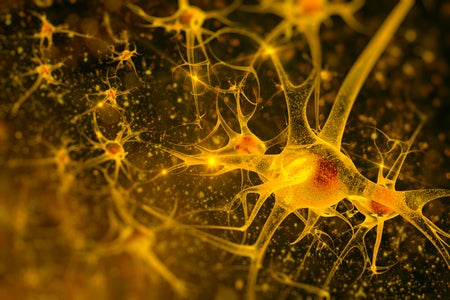
‘Super agers’ with great memory have more young brain cells
Older people with exceptional memory have a surprisingly high number of young neurons, a study finds
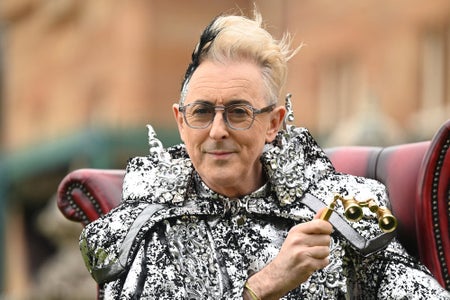
How to win The Traitors, according to science
Experts say that to win a game like The Traitors, competitors should look for verbal clues over physical ones—and be friendly and open
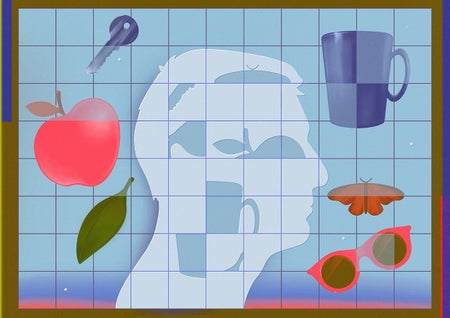
Many people don’t see mental images. The reason offers clues to consciousness
People with aphantasia have no mental imagery—and they’re offering brain scientists a window into consciousness