PsychologyFebruary 25, 2026
What science reveals about polyamorous relationships
Discover what researchers have learned about polyamory, what misconceptions people have about such multipartner relationships and how individuals actually navigate them
What science reveals about polyamorous relationships
Discover what researchers have learned about polyamory, what misconceptions people have about such multipartner relationships and how individuals actually navigate them
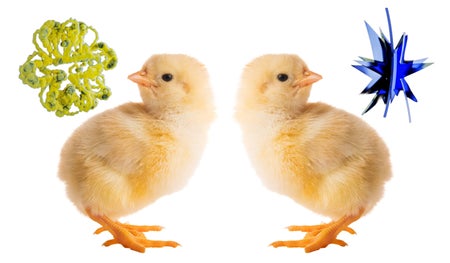
‘Mind-blowing’ baby chick study challenges a theory of how humans evolved language
Newborn chicks connect sounds with shapes just like humans, suggesting deep evolutionary roots of the “bouba-kiki” effect


What we risk when we confuse AI and human intelligence
Putting humans and LLMs head-to-head in classic tests of judgment from human psychology underscores the differences between them
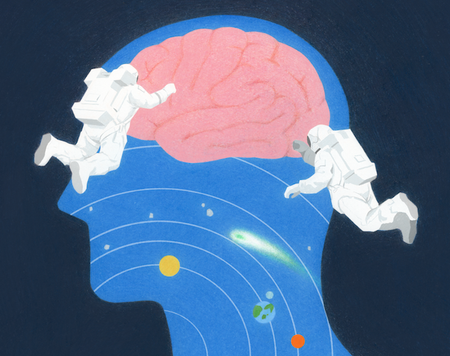
Spaceflight literally moves your brain
Space's microgravity appears to shift the location of the brains of astronauts—without a clear effect on their health

How often do people fall passionately in love? The answer may be less than you think
A large survey of U.S. singles reveals the different ways people experience passionate romantic love
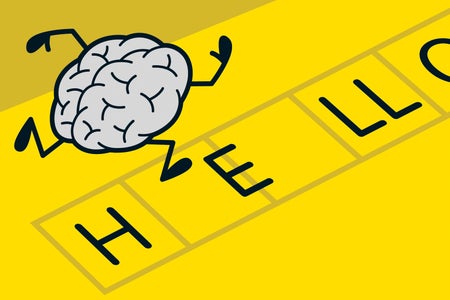
New research reveals how the brain separates speech into words
Speech blurs together unless you know the language; scientists found the brain signal that separates the words
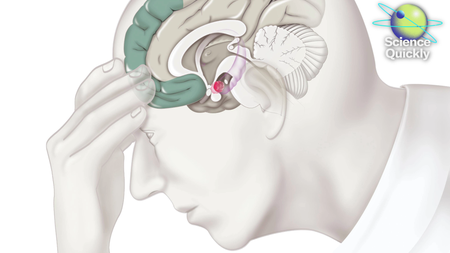
Psychiatry’s rule book faces a major rethink
Why psychiatry’s diagnostic system may undergo major changes, and what the scientific debates over how mental illnesses should be defined are
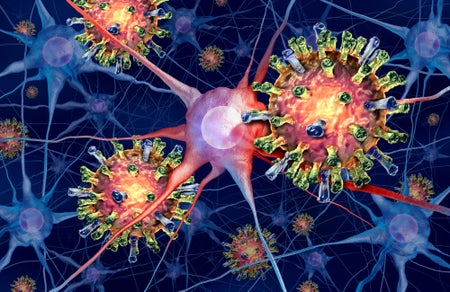
Brain swelling is one of measles’ nastiest side effects, and it’s happening in South Carolina
The South Carolina measles outbreak has triggered rare but serious brain swelling in some children

Epstein files show a complicated relationship with science and journalism
Jeffrey Epstein aggressively sought access to publishers, mentions of Scientific American and other media in Department of Justice files show
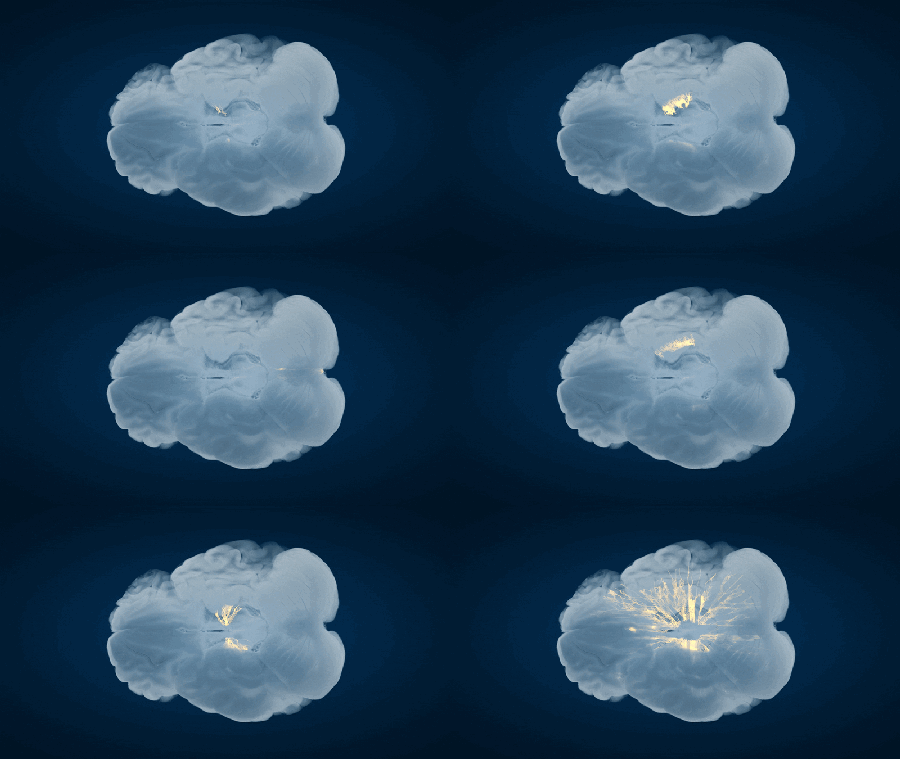
Scientists discover brain network that may cause Parkinson’s disease
An “extraordinary” brain network discovery shows that Parkinson’s disease may not be a movement disorder after all
Psychiatrists plan to overhaul the mental health bible—and change how we define ‘disorder’
The American Psychiatric Association has announced big upcoming changes to psychiatry’s big book of mental disorders, the DSM

Menopause linked to changes in brain’s gray matter, new study shows
Brain changes during menopause could help explain why some people experience neurological symptoms such as anxiety, depression and memory problems